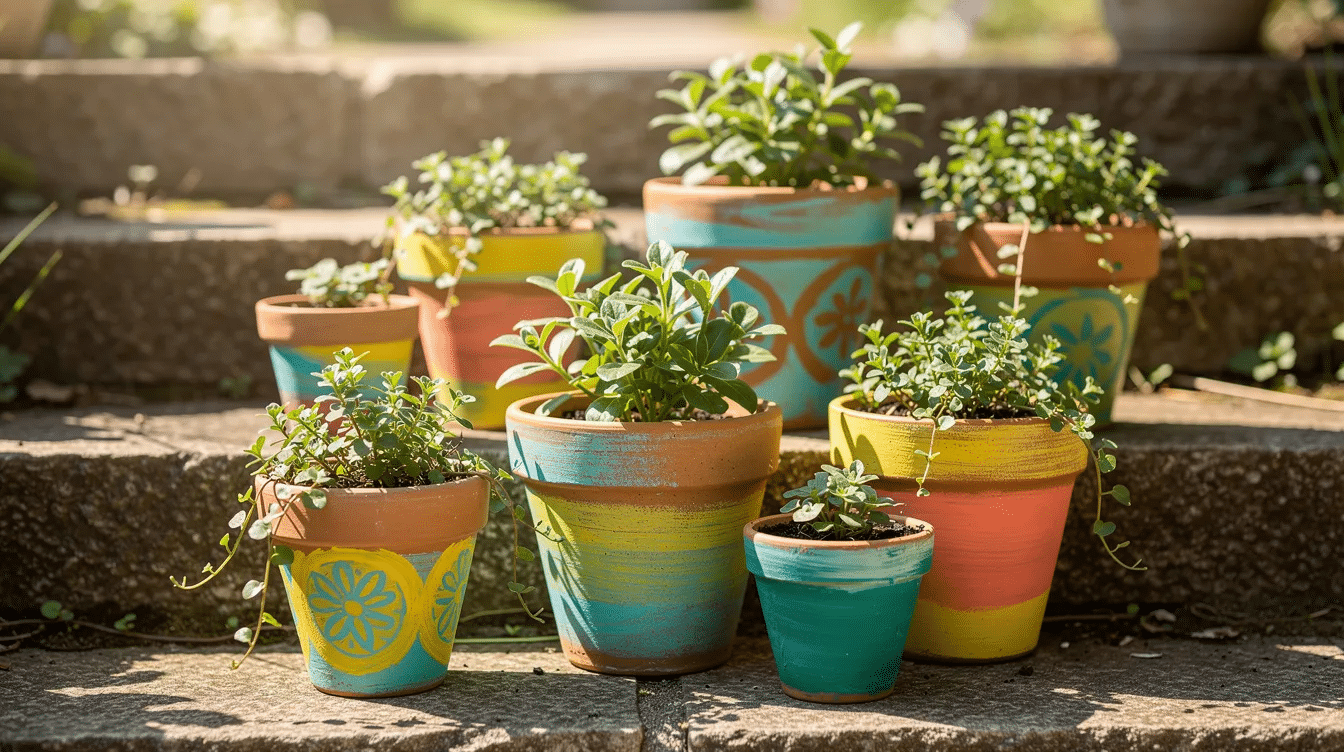

There’s something wonderfully grounding about handing a small child a clay pot, a handful of soil, and a few seeds. At Little Button Diaries, we love activities that bring nature, mess, and creativity together, and clay plant pots tick every box. Whether your preschooler is painting a tiny terracotta garden pot to grow cress on the windowsill or you’ve decided to try making a diy clay plant pot from air dry clay on a rainy Saturday, this guide has you covered.
Picture a sunny March afternoon: your three-year-old helps you repot strawberry plants into a big clay pot on the patio, patting soil with a sticky finger. That’s the kind of moment we live for.
Here’s what we’ll cover:
- Why clay pots are brilliant for family gardening and crafts
- Simple ways to choose the right size, drainage, and style
- Fun DIY projects using terracotta pots and air dry clay
- Practical care tips to keep everything child-friendly

Understanding Clay Pots & Terracotta (Parent-Friendly Basics)
Let’s keep this simple. Natural clay is earthy material dug from the ground, shaped, and either fired in a kiln or left to air dry. When clay is fired at around 1000–1100°C without a glaze, you get terracotta, that warm orange-brown pot you’ll find at every garden centre. Clay and terracotta pots provide unique advantages for gardening due to their porous nature.
Here’s what parents need to know:
- Terracotta pots are made from unglazed clay. Their porosity means air and moisture pass through the walls, improving aeration for plants and helping regulate moisture for healthy roots.
- Glazed ceramic pots are fired hotter and sealed, so they hold water longer, better for moisture-loving ferns or peace lilies.
- Air dry clay hardens at room temperature with no kiln needed, perfect for decorative pot covers but not for holding wet soil directly.
- Unglazed clay is ideal for dry-loving plants like succulents and cacti, which hate sitting in soggy soil.
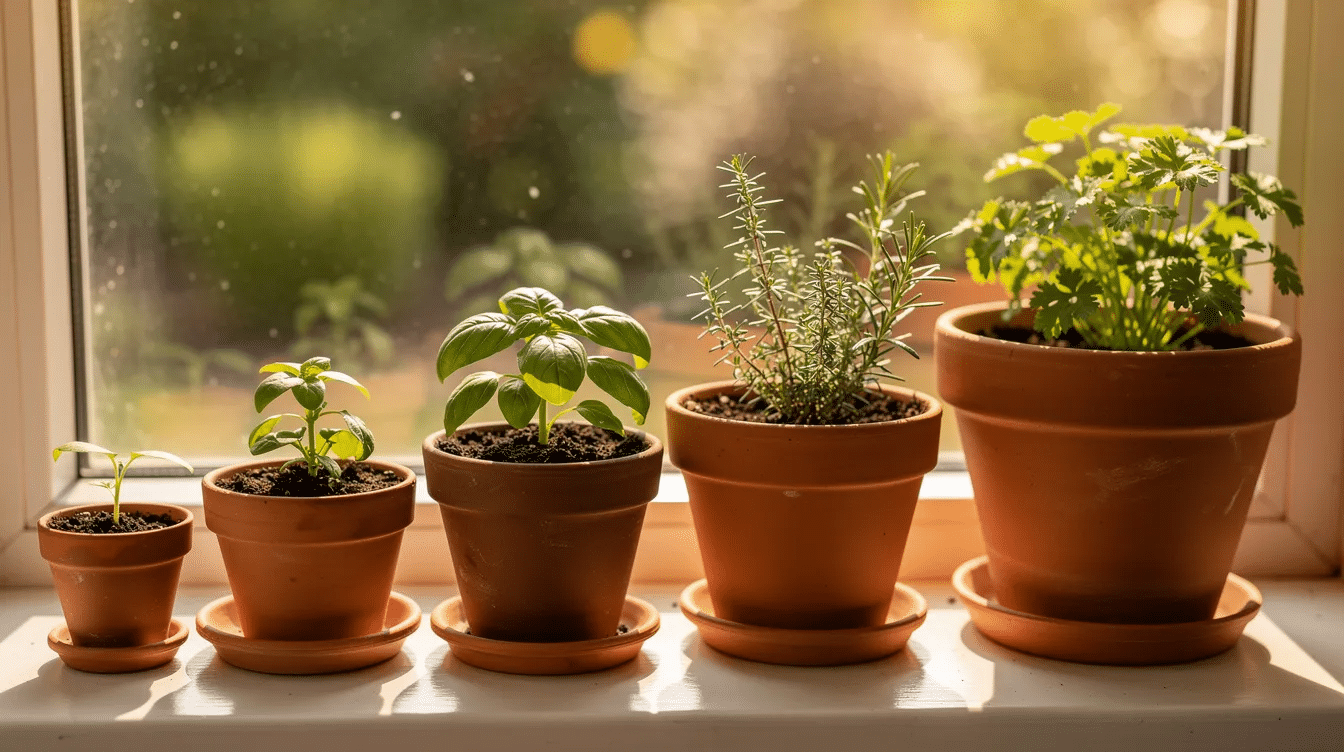
- A 12 cm terracotta pot is great for a basil plant on a kitchen window. A 30 cm clay pot on the patio can hold a child’s sunflower grown from seed.
- Heavy terracotta planters should be lifted by adults; tiny 7–10 cm pots are the ideal size for little hands to decorate and carry.
Benefits of Clay Plant Pots for Kids’ Gardening & Play
If your child tends to give plants an enthusiastic soaking with the watering can, clay pots are your friend. Because the walls are porous, they wick away excess moisture, reducing the risk of root rot. Note that clay pots dry out faster than plastic or glazed containers, so you will end up watering a bit more often, but for beginners this trade-off is a great safety net against overwatering.
Clay retains heat and moderates temperatures, benefiting root health, and clay’s thick walls help insulate roots against sudden environmental shifts on chilly spring mornings or scorching July afternoons.
More reasons families love them:
- Learning through observation: when you water terracotta, the pot darkens visibly. Over time outside, unglazed clay develops a rustic patina, enhancing aesthetics and giving preschoolers a live science lesson in evaporation and weather.
- Eco-friendly choice: terracotta pots are biodegradable and eco-friendly, made from nature without plastic dyes. A collection of reused clay pots is kinder to the planet than a cart full of plastic planters.
- Sensory play: the cool, slightly rough texture of natural clay, the sound of a tiny trowel tapping the sides, these feel calming and engaging for toddlers in the garden.
- Ownership and responsibility: let siblings each choose a pot, a plant, and their own colors. Making and tending their own piece of the garden builds confidence across days and weeks.
Choosing the Right Clay Pot (Size, Drainage & Indoor vs Outdoor)
Terracotta pots come in various sizes and styles, which can feel overwhelming. Here’s a quick guide to help you find the right form for your family:
Plant / Setup | Pot Size | Where to Use |
|---|---|---|
Cress or microgreens | 8–10 cm | Child’s bedroom shelf |
Supermarket basil | 10–12 cm | Kitchen windowsill |
Spider plant or small succulent | 15 cm | Living room with a saucer |
Tomatoes, dwarf sunflowers | 25–30 cm | Patio or doorstep |
Strawberries or nasturtiums | 30–34 cm | Garden tub |
Key things to understand:
- Add drainage holes to prevent water accumulation. Most terracotta pots sold at garden centres already have a single hole in the base. Teach your child to water until a trickle appears in the saucer, then stop.
- The weight of clay pots provides stability against wind in outdoor gardening, so a thick terracotta planter won’t blow over on a blustery day the way a plastic pot might.
- Mineral leaching from clay pots can leave a white residue on the exterior. This is completely normal and can become a fun “science observation” for curious preschoolers.
- Clay pots can crack if exposed to freezing temperatures while wet. In frosty UK winters, bring precious pots into a shed or under a porch from November to early March to remove that risk.
DIY Clay Plant Pot Projects with Kids (Terracotta & Air Dry Clay)
This is the fun, messy heart of the post. Here are two easy projects you can do in an afternoon.
Painted Terracotta Garden Pot
- Grab small 7–10 cm terracotta pots and child-safe acrylic or poster paints.
- Use masking tape for stripes, or let little hands go freestyle. For watercolour techniques, see our guide to painting air dry clay with watercolors.
- Once dry (about an hour), seal with a water-based, non-toxic varnish to protect the design.
- Fill with soil and plant herb seeds or a tiny succulent as a handmade gift. Check our craft activities for kids for more gift ideas.
Air Dry Clay Pot Cover
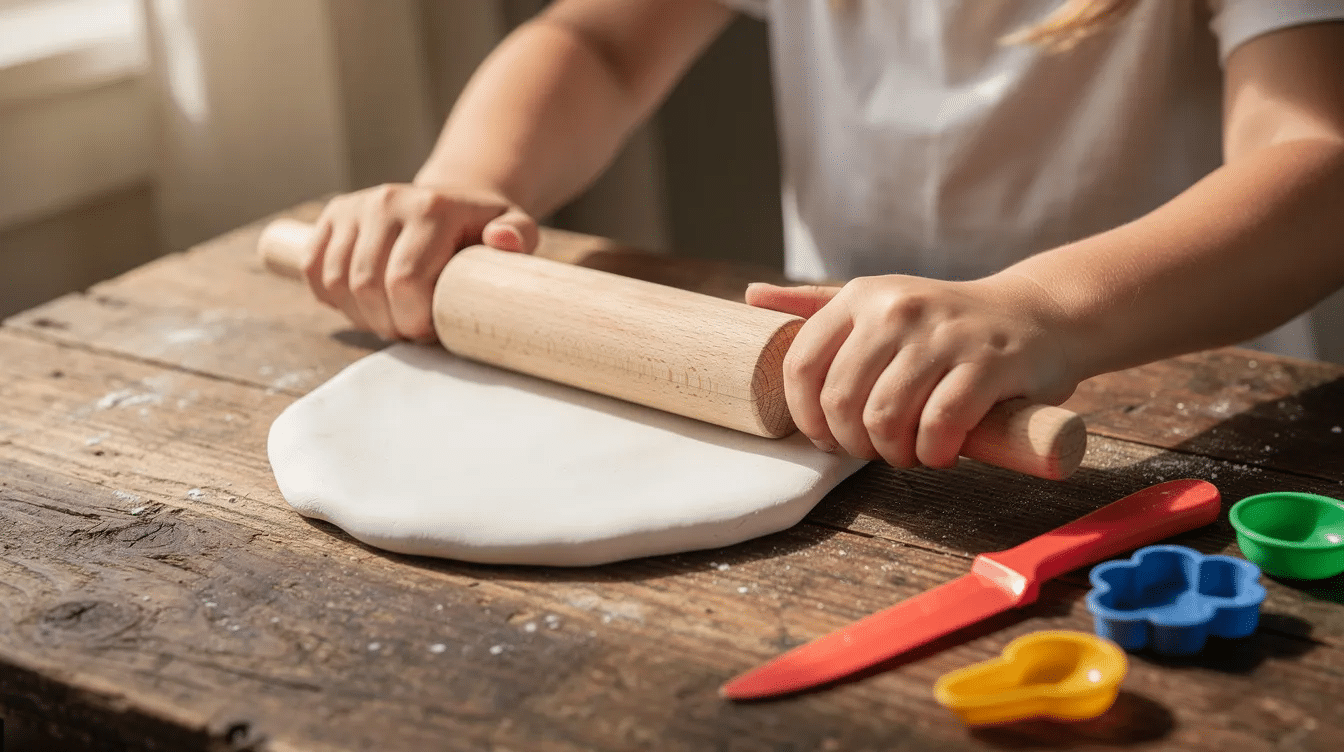
- Roll natural white air dry clay to about ½ inch thick using a rolling pin. Use a ruler to check thickness is even.
- Wrap the clay loosely around a small plastic nursery pot (6–8 cm) to create your shape. Score the seam edges, then use slip (clay mixed with water) to attach clay pieces securely together. Use a plastic knife to smooth scored edges for a neat finish.
- Let clay pots dry until they turn white, typically 24–48 hours depending on thickness. Leave them somewhere with good air flow, away from direct sunlight, to avoid cracking.
- Paint and seal once fully hard. These are decorative, so pop a plastic nursery pot inside rather than adding soil directly. They’re optional for real plants but look gorgeous holding dried flowers, faux succulents, or pencils on a desk.
Seasonal theme ideas: a rainbow pot for a 4-year-old’s first day at preschool in September, a pumpkin-orange face for October, or a speckled “eggshell” pot for planting cress before Easter. For more garden inspiration, pair these with fairy garden scenes. Always supervise children under 6, and check that any air dry clay brand you buy is certified non-toxic.
Caring for Clay Pots & Keeping Projects Child-Friendly
A well-loved clay pot doesn’t need to look perfect. Here’s how to keep things going at home:
- Before planting: cover the drainage hole with a small stone, add a thin layer of pebbles, then potting mix. Let your child tuck in seeds or a nursery plant with a spoon.
- Reinforce painted designs by applying a coat of water-based varnish after the paint has fully cured. This helps protect handprints and stripes from flaking, especially on a steamy bathroom windowsill.
- Clean mineral bloom by gently scrubbing with a cloth dipped in diluted vinegar (1 part to 10 parts water), then rinse.
- If a pot cracks after a cold snap, don’t toss it. Cracked pots make charming garden ornaments or can hold dry arrangements.
- Air dry clay pieces that soften when splashed with water need to stay purely decorative. Consider lining them or using them for contact-free displays like a sharing tray of shells or dried lavender.
Clay pots are one of the simplest, most affordable ways to weave nature, creativity, and everyday learning into family life. From a toddler’s first spooned soil in a tiny pot to a school-age child tending their own balcony herb collection, every paint smudge and mossy patch tells a story worth keeping. We’d love to see what you create, so do tag us and explore more cute easy crafts for your next rainy-day session.