The creative days of christmas don’t have to mean expensive store-bought calendars filled with candy. For families with preschoolers, a daily countdown built around crafts, stories, nature walks, and hands-on play turns the christmas season into something kids remember long after the wrapping paper is recycled.
Creative christmas countdowns give young children a concrete way to understand the passage of time. Removing a paper chain link each morning or pulling a craft out of a pocket makes the abstract concept of “days until christmas day” visible and touchable. That daily ritual also builds anticipation, patience, and joy in small, manageable doses.
Approaches range from the traditional twelve days of christmas (December 25 through January 5) to full-December advent calendar crafts to nature-based explorations. Some families wrap christmas books. Others bake, paint, or head outdoors to collect pine cones. The best approach depends on your family, your kids, and how much prep time you actually have after thanksgiving dishes are done.
This guide breaks down five tested countdown formats, compares them side by side, and helps you pick the one that fits your schedule, budget, and children’s developmental stage.
How We Chose the Best Creative Christmas Countdown Ideas
Every idea on this list meets seven criteria.
- Age-appropriate for ages 2-6. Crafts that require 5-10 minutes for a 2-year-old and 15-20 minutes for a 5-year-old. Tasks match fine motor and cognitive abilities at each stage, from simple gluing to cutting and sequencing.
- Everyday materials. Paper, felt, recycled containers, toilet paper rolls, cotton balls, pine cones. No specialty supplies needed.
- Skill-building. Each countdown teaches something: number recognition, counting, pattern making, color identification, or literacy. Penn State PRO Wellness research confirms that preschoolers build foundational academic skills through crafting tasks like stringing beads and sorting shapes.
- Family bonding. A 2016 study published in the Journal of the Association for Consumer Research (N = 1,098) found that adults who performed family rituals during christmas reported higher holiday enjoyment and stronger feelings of closeness.
- Low-prep for busy parents. Most daily activities require under 10 minutes of setup.
- Flexible. Each idea adapts to different family sizes, living situations, and schedules.
- Balances fun with meaning. Celebrating different themes each day can enhance the festive experience without turning december into a marathon of forced cheer.
Top 5 Creative Christmas Countdown Ideas for Families
1. DIY Pocket Advent Calendar with Daily Crafts
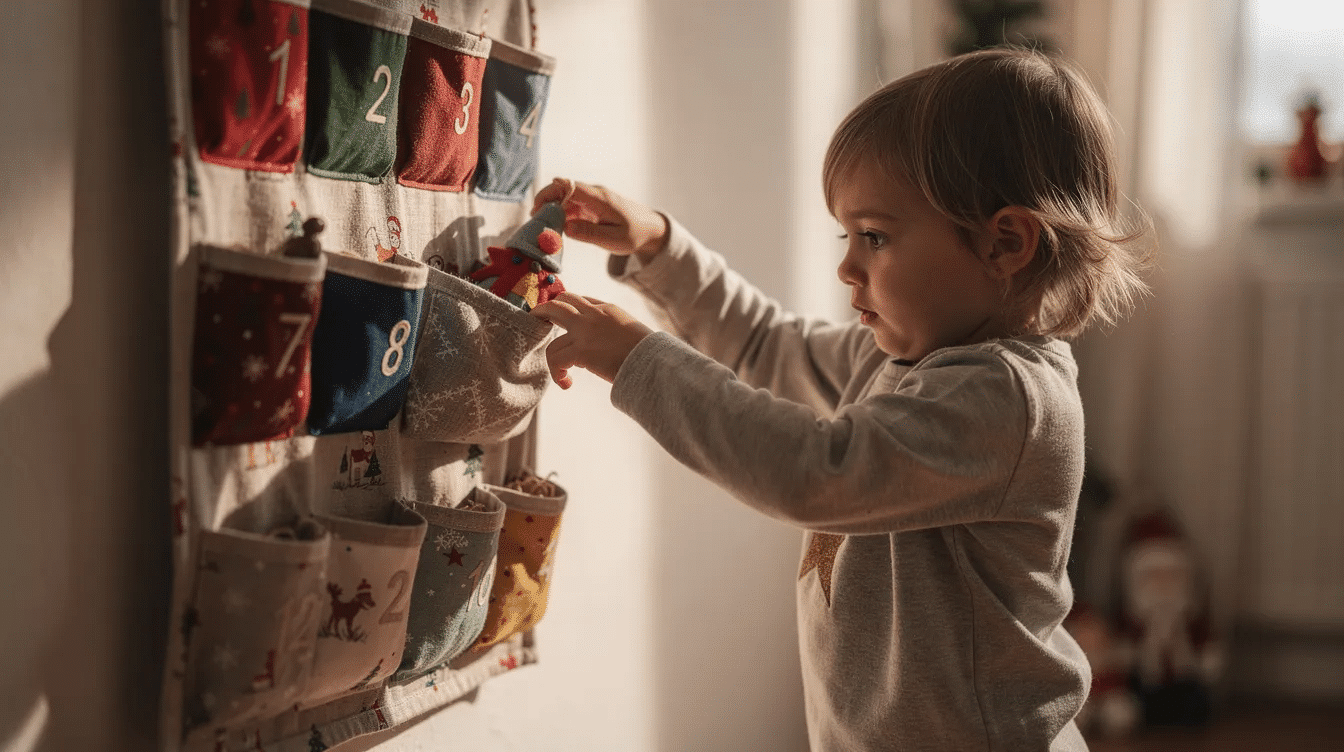
Sew or glue 24 small pockets onto a fabric panel, felt tree, or even a ribbon strung across a wall. Number each pocket 1 through 24. Inside each one, place the materials for a single craft project: pre-cut felt shapes for a gingerbread person, a few pom-poms and googly eyes for a snowman face, or a small bag of beads for a candy cane ornament. Your child pulls out one pocket’s contents each morning and completes that day’s project.
Why It Stands Out
The pocket format combines surprise with structure. Kids get the thrill of reaching into a pocket each day while building fine motor skills through cutting, gluing, and assembling. The calendar itself becomes a christmas tradition you reuse every year, refilling pockets with new materials each december.
Best For
Parents who enjoy sewing or DIY activities and want a consistent daily rhythm. Families with children ages 3-6 who thrive on routine and daily surprises do especially well with this format.
Key Strengths
- Builds pincer grasp and hand-eye coordination through varied daily tasks (folding, threading, sticking)
- Creates a keepsake advent calendar that lasts for years
- Keeps costs low once the base calendar is made; refill materials run a few dollars per year
- Gives kids a sense of ownership over their own holiday countdown
Possible Limitations
- Requires 2-3 hours of upfront prep to make the calendar and pre-cut or package daily craft supplies
- Children under age 2 may need a simplified version with sensory items (fabric swatches, textured shapes) rather than multi-step crafts
2. Traditional 12 Days of Christmas with Symbolic Activities
The twelve days of christmas start on christmas day, December 25, and run through January 5. The twelfth day is January 5, before Epiphany. Epiphany is celebrated on January 6, marking the end of the twelve days of christmas. Traditionally, the twelve days of christmas are a time for feasting, gathering, and merrymaking.
The classic christmas carol behind this countdown was first published in 1780 in a London book called Mirth Without Mischief. The song likely originated as a memory game for children. It features a cumulative structure with repeated gifts; each verse adds a new gift while repeating all previous verses. By the twelfth day, a true love gave a total of 364 gifts. The english composer frederic austin published the first modern musical arrangement of the song in 1909, setting the melody most people recognize today.
The song’s gifts symbolize various Christian teachings. Craft activities for preschool-aged children can be symbolic of the twelve gifts in the classic carol. Here is how each day can work:
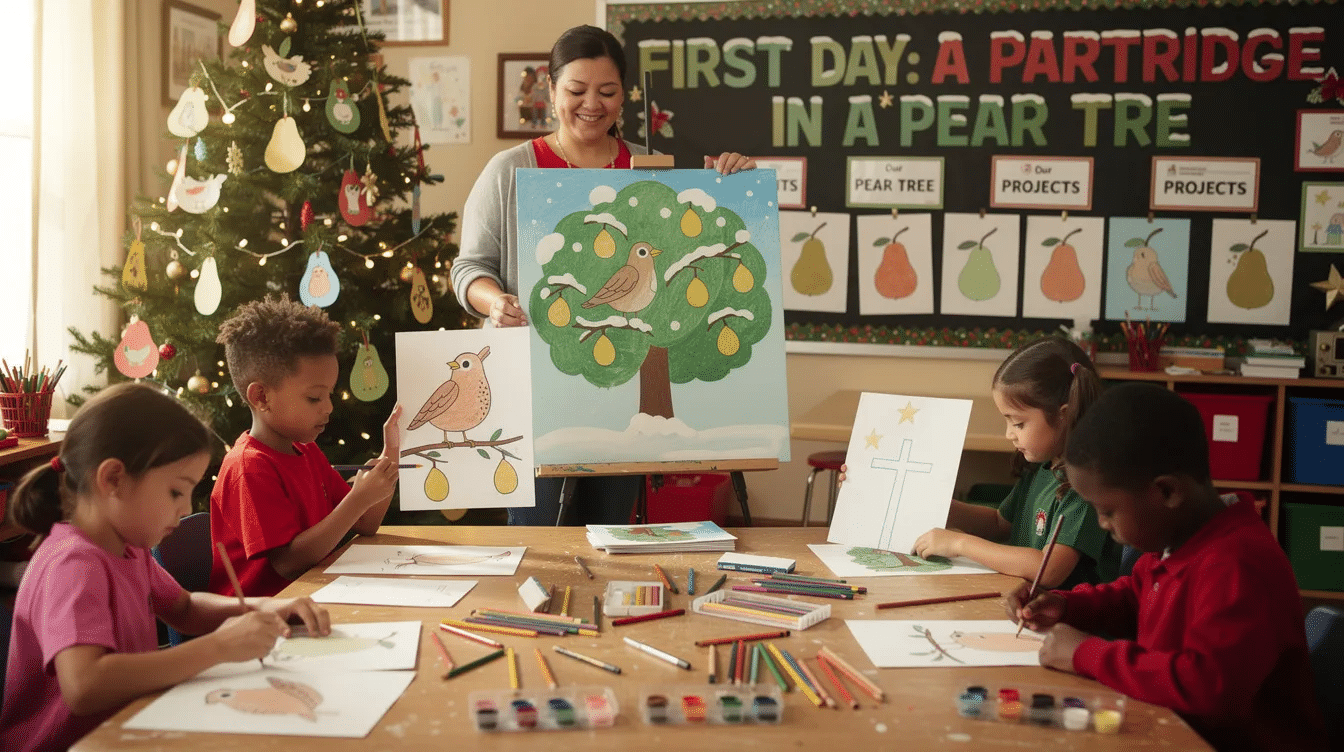
First day. A partridge in a pear tree. A partridge symbolizes the sacrifice of jesus christ for humanity. Kids draw or paint a bird in a tree. Use this day to talk about the beginning of the christmas story, or visit our tree crafts collection for more pear tree project ideas.
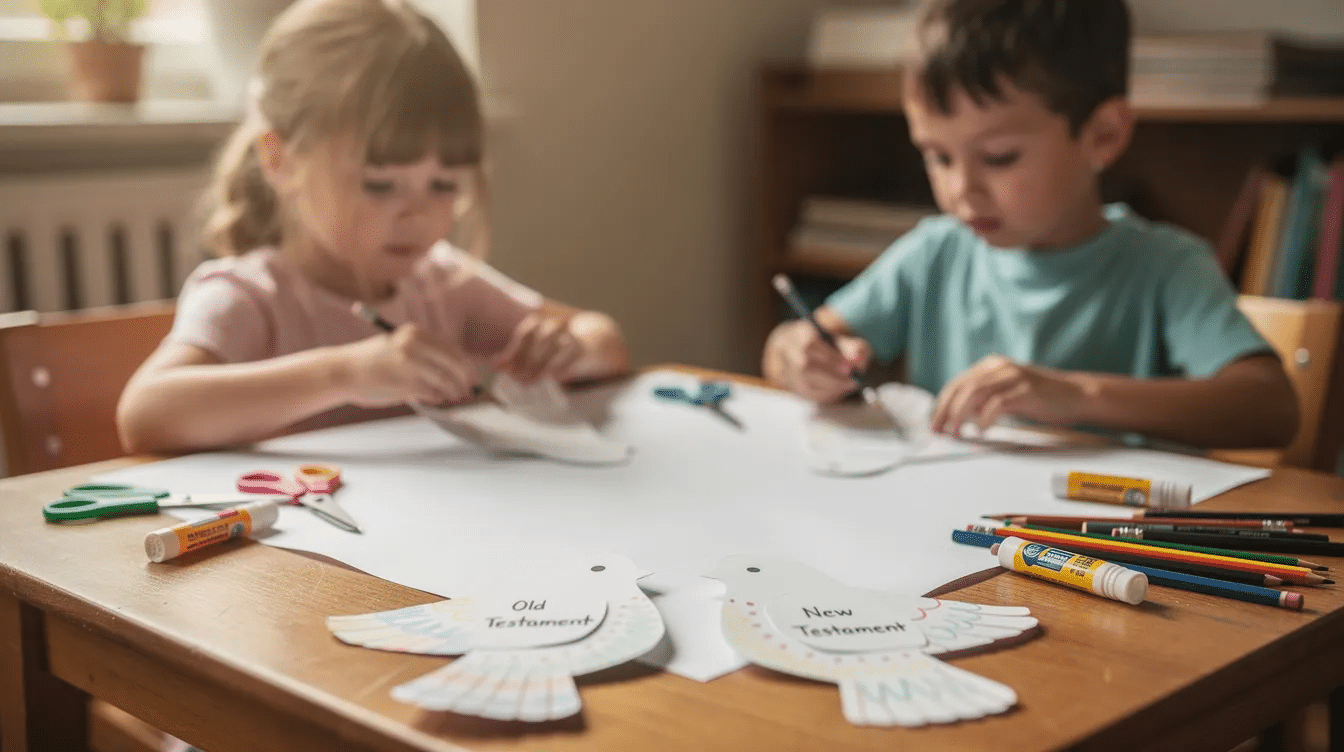
Second day. Two turtle doves represent the Old and New Testaments. Children cut out two dove shapes from white paper and decorate them. Turtle doves make a simple, quiet craft for a calm afternoon.
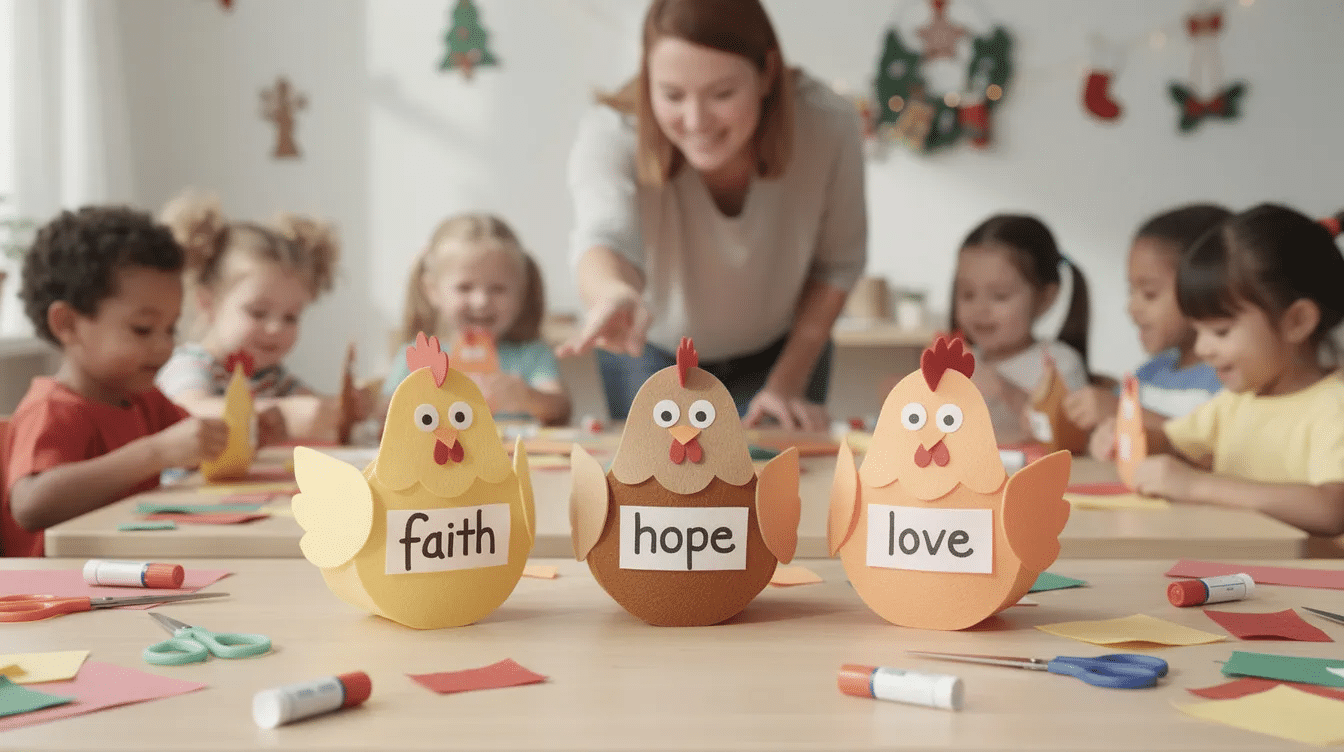
Third day. Three french hens signify faith, hope, and love. French hens are a natural prompt to teach children about these three values. Kids can create three hen shapes from felt or construction paper, labeling each with a word or picture.
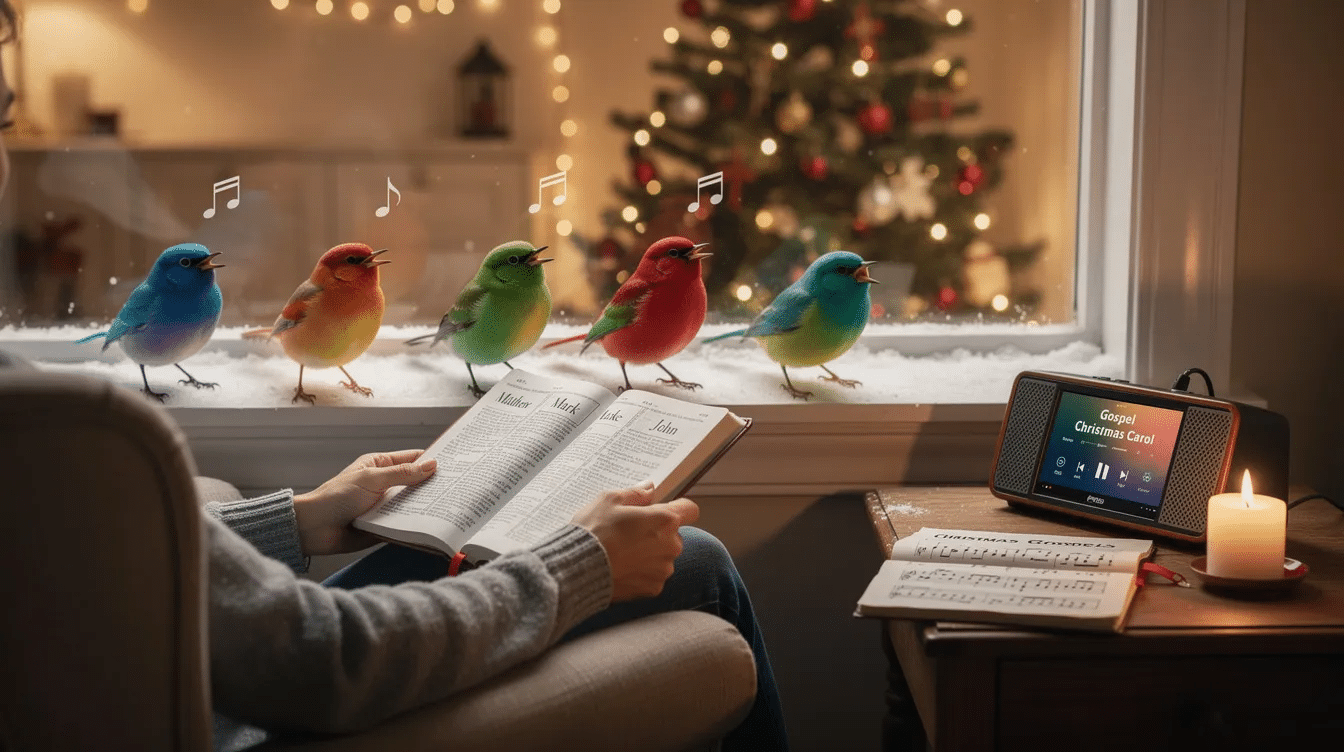
Fourth day. Four calling birds symbolize the four Gospels. Calling birds give you a chance to read short passages aloud or listen to christmas songs that reference the Gospels.
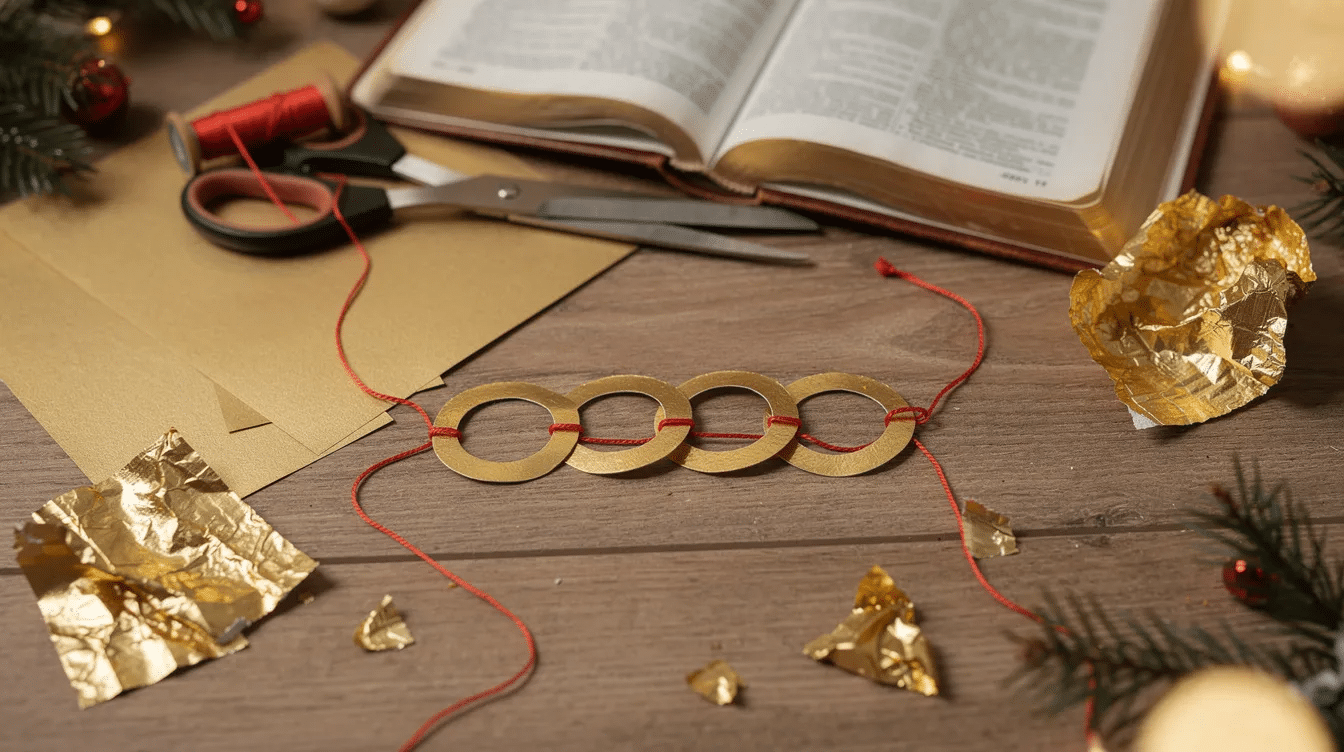
Fifth day. Five golden rings represent the first five books of the Bible. Five gold rings make an easy craft: cut ring shapes from gold paper or foil and string them together. The five golden rings are one of the most recognized lines in the carol.
Sixth day. Six geese a laying. Kids can fold simple paper geese or paint eggs. Geese a laying connect well to counting games and sorting activities.
Seventh day. Seven swans a swimming. Swans a swimming lend themselves to water play or bathtub crafts. Float paper swan shapes and count them.
Eighth day. Eight maids a milking. Maids a milking can inspire a baking activity; make hot cocoa together, measuring milk and stirring. This is also a good day for family time in the kitchen.
Ninth day. Nine ladies dancing. Ladies dancing call for a dance party. Put on christmas songs and move around the living room.
Tenth day. Ten lords a leaping. Lords a leaping mean gross motor play: jumping, hopping, counting to ten. The ten commandments are sometimes associated with the ten lords in catechetical interpretations.
Eleventh day. Eleven pipers piping. Pipers piping invite music-making. Use paper towel rolls as pretend pipes, or bang on pots and pans.
Twelfth day (January 5). Twelve drummers drumming. Twelve drummers call for a final percussion parade. Make drums from oatmeal containers and march through the house saying merry christmas one last time before Epiphany.
Each day can involve meaningful acts of kindness or small, thoughtful gifts. Gifts can be wrapped in boxes that represent each day of christmas. The smallest gift can be simple treats like Lindt chocolate truffles. Family gifts can include gingerbread houses or educational gifts. Consider giving new pajamas as the final gift on christmas eve as a cozy ending. Days within the twelve days can focus on themes such as gratitude, community service, and family togetherness. The twelve days of christmas can include creative meals or themed treats tied to each day’s gift. Celebrating the twelve days extends the holiday spirit beyond christmas day.
Why It Stands Out
This countdown combines the christmas story with hands-on learning across 12 focused days rather than 24.
Best For
Families wanting to teach children Christian values and the meaning behind the christmas carol. Parents who prefer post-christmas activities when schedules are calmer also benefit; by December 26, the pre-holiday rush is over.
Key Strengths
- Teaches faith, history, and literacy through song, story, and craft
- Extends the christmas season past December 25
- Only 12 days of prep instead of 24
- Activities span drawing, baking, music, dance, and reading
Possible Limitations
- Families who do not observe Christian traditions may find the symbolism less relevant
- Concepts like “the four Gospels” or “the Old and New Testaments” require adult explanation for preschoolers; some ideas will fly over a 2-year-old’s head
3. Simple Christmas Craft Countdown (December 1-24)
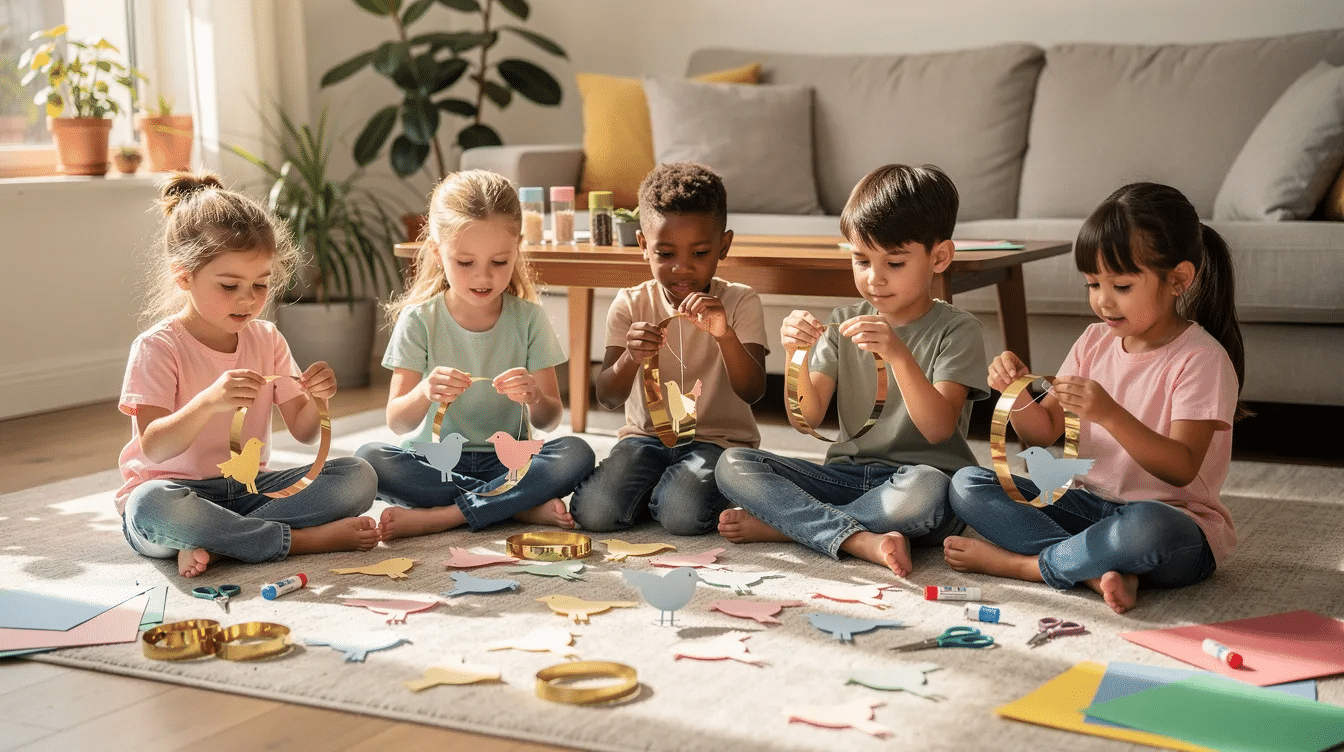
Run a daily craft from December 1 through christmas eve, using materials you already have. Paper snowflakes on Day 1. Cinnamon salt dough ornaments on Day 5. Cotton ball snowpeople on Day 10. Popcorn garland on Day 15. Pine cone decorations on Day 20. Handprint reindeer on Day 24.
Why It Stands Out
No calendar structure required; just pick a craft each day. The focus stays on skill-building through accessible, everyday projects that kids can finish in under 20 minutes.
Best For
Budget-conscious families who love easy craft ideas and want tangible results. Parents seeking to develop children’s creativity and fine motor skills without spending money on kits.
Key Strengths
- Uses common household and dollar store materials: paper, glue, cotton balls, paint, salt, flour
- Produces decorations and keepsakes the family can display or gift to a grandmother or mother
- Builds confidence; a 3-year-old who finishes a snowflake feels genuine pride
- Pairs well with reuse arts and crafts projects using toilet paper rolls and bottle caps
Possible Limitations
- 24 crafts create clutter; plan which ones to keep and which to gift or recycle
- Requires consistent parental involvement for cutting, supervising glue, and cleanup
4. Christmas Book and Activity Boxes
Wrap twelve christmas books (or up to 25) in plain paper and number each package. Every evening, your child unwraps one book and you read it together. Pair each book with a short related activity: after a story about snow, make paper snowflakes; after a picture book about a gingerbread man, decorate a cookie.
You can wrap twelve christmas books to read together as a family, using library books to keep costs at zero. A picture book paired with a 10-minute activity creates a full evening of family time without screens.
Why It Stands Out
Literacy development meets christmas anticipation. Unwrapping a book feels like opening a gift, and the paired activity reinforces the story’s themes.
Best For
Families who prioritize reading and quiet activities. Parents wanting to reduce screen time during the holiday season benefit from this format because it replaces tablet time with story time.
Key Strengths
- Builds reading skills and holiday vocabulary (words like “frost,” “bough,” “angel”) at the same time
- Library books keep the cost at zero; thrift store finds keep it under $10
- Creates cozy bonding time each evening
- Doubles as a collection of christmas ideas for rainy or snowy afternoons
Possible Limitations
- Highly active or kinesthetic learners may need a physical activity paired with each book to stay engaged
- Limited gross motor component; consider adding a dance break or outdoor walk alongside the reading
5. Nature-Based Christmas Countdown
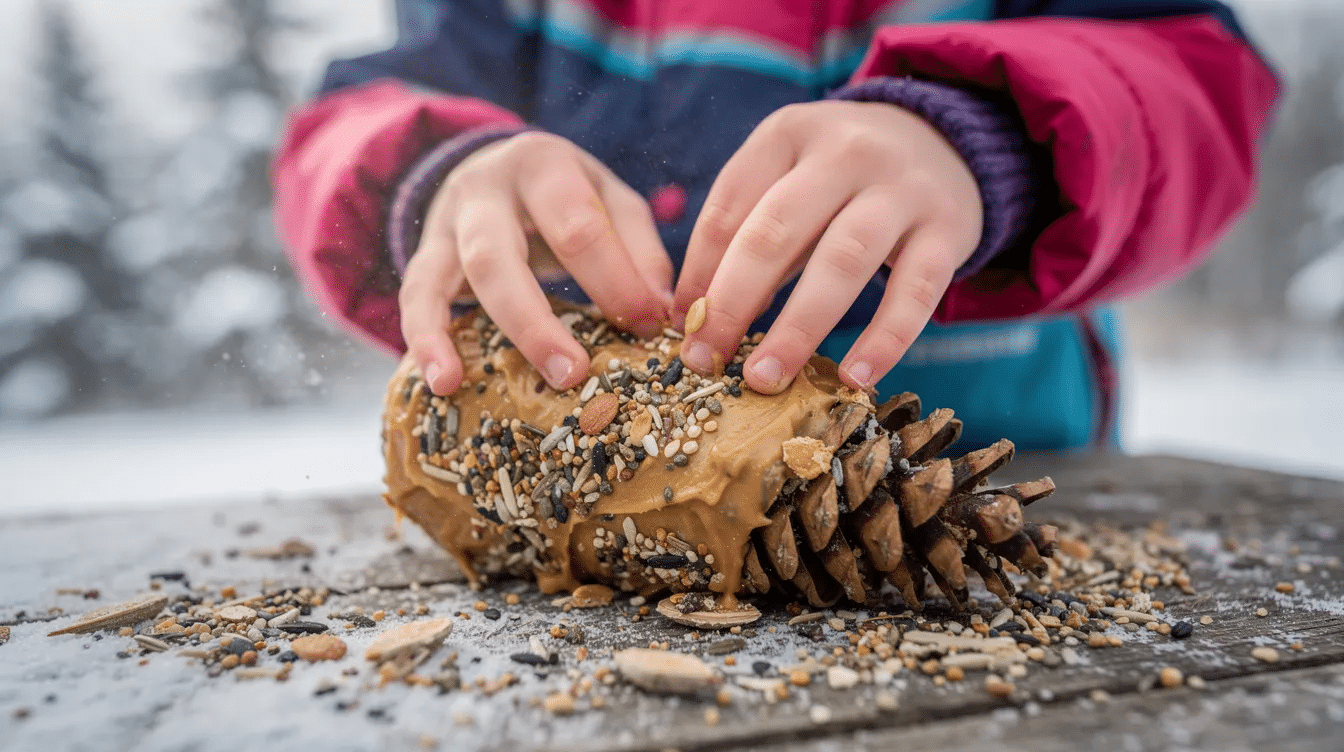
Head outdoors to collect pine cones, dried leaves, twigs, and berries. Use these materials to create birdseed ornaments, balsam pillows, leaf-print wrapping paper, and twig stars. Go on winter nature walks to look for animal tracks. Paint with snow. Hang orange-slice garlands for birds.
Why It Stands Out
This approach connects children with the natural world during winter. Every material is free, and the activities teach observation, seasons, and environmental awareness.
Best For
Families who enjoy outdoor activities and natural materials. Parents wanting to teach children about wildlife and winter ecology. Pair these activities with crafts with nature for additional ideas.
Key Strengths
- Encourages sensory exploration: smell of balsam, texture of bark, cold of snow
- Creates gifts for wildlife (birdseed ornaments, suet feeders)
- Zero material cost if you forage from your yard, a park, or a hiking trail
- Teaches observation skills; kids learn to notice details in the world around them
Possible Limitations
- Weather-dependent; a week of freezing rain requires indoor backup plans
- Urban families without yard access or nearby woods may have fewer foraging options
Quick Comparison of the Best Christmas Countdown Ideas
Countdown Type | Days | Best For | Cost | Prep Time |
|---|---|---|---|---|
DIY Pocket Advent Calendar | 24 | Daily craft structure, reusable tradition | Low (after initial build) | 2-3 hours upfront |
Traditional 12 Days | 12 | Religious education, post-christmas calm | Very low | 1 hour total |
Simple Craft Countdown | 24 | Budget-focused skill-building | Under $15 | 15 min/day |
Book & Activity Boxes | 12-25 | Literacy, quiet bonding | Free with library | 30 min to wrap |
Nature-Based Countdown | Flexible | Outdoor exploration, eco-friendly | Free | Minimal |
How to Choose the Right Christmas Countdown for Your Family
Choose Based on Your Child’s Age and Interests
Children ages 2-3 do best with sensory tasks: squishing dough, sticking cotton balls, tearing paper. Their attention spans run 5-10 minutes per activity. For this age group, the Nature-Based or Simple Craft formats work well because individual tasks are short and tactile. Check out no mess activities for 2 year olds for more ideas scaled to toddlers.
Children ages 4-6 handle multi-step projects: cutting shapes, painting details, following a sequence. They can count backward from 24 to 1, which makes numbered calendars satisfying. The DIY Pocket Calendar and 12 Days formats suit this age because they involve counting, reading, and problem-solving.
Choose Based on Your Available Time and Energy
If your evenings free up only 10 minutes after dinner, the Book & Activity Boxes or Simple Craft formats demand the least nightly prep. If you have one weekend afternoon free before December, the DIY Pocket Calendar lets you batch all preparation into a single session.
The Traditional 12 Days format runs from December 25 to January 5, when many parents are on holiday break. That timing means more breathing room than a countdown crammed into busy early-December weeks. Creative activities can be themed around each of the twelve days of christmas without competing with school events and work deadlines.
Choose Based on Your Budget and Materials
Every option on this list costs under $15, and three of them cost nothing at all when you use library books, recycled materials, or foraged nature items. Before buying anything, audit what you already have: scrap fabric, old wrapping paper, dried pasta for stringing, buttons, ribbon. Most cute easy crafts use materials already sitting in a junk drawer.
Which Christmas Countdown Is Best for You?
- Choose DIY Pocket Advent Calendar if you want a reusable christmas tradition with daily surprises and have time for one batch-prep session.
- Choose Traditional 12 Days if you want to teach children the christmas story and prefer activities after December 25 when the world slows down.
- Choose Simple Craft Countdown if you want budget-friendly skill-building with tangible ornaments and decorations your kids made themselves.
- Choose Book and Activity Boxes if you want to combine literacy with christmas time magic and create a nightly reading ritual.
- Choose Nature-Based Countdown if you want outdoor exploration, environmental connection, and zero-cost materials.
Final Thoughts
The countdown that works is the one your family will actually do. A 2-year-old fingerpainting a paper plate wreath on the kitchen floor learns just as much as a 5-year-old assembling a felt advent calendar pocket. The format matters less than the consistency and the presence.
Mixing elements from different approaches is fair game. Read a christmas book on Monday, go on a nature walk Tuesday, bake cookies Wednesday, and skip Thursday because everyone is tired. Flexibility keeps the holiday season fun instead of turning it into a checklist. Hope for a perfect streak, but plan for real life.
Start gathering your supplies now, pick the format that fits your schedule, and let December unfold one creative day at a time. If you need more christmas ideas for kids of all ages, browse our full collection of craft activities for kids to keep the creativity going well past the fourth sunday of Advent.