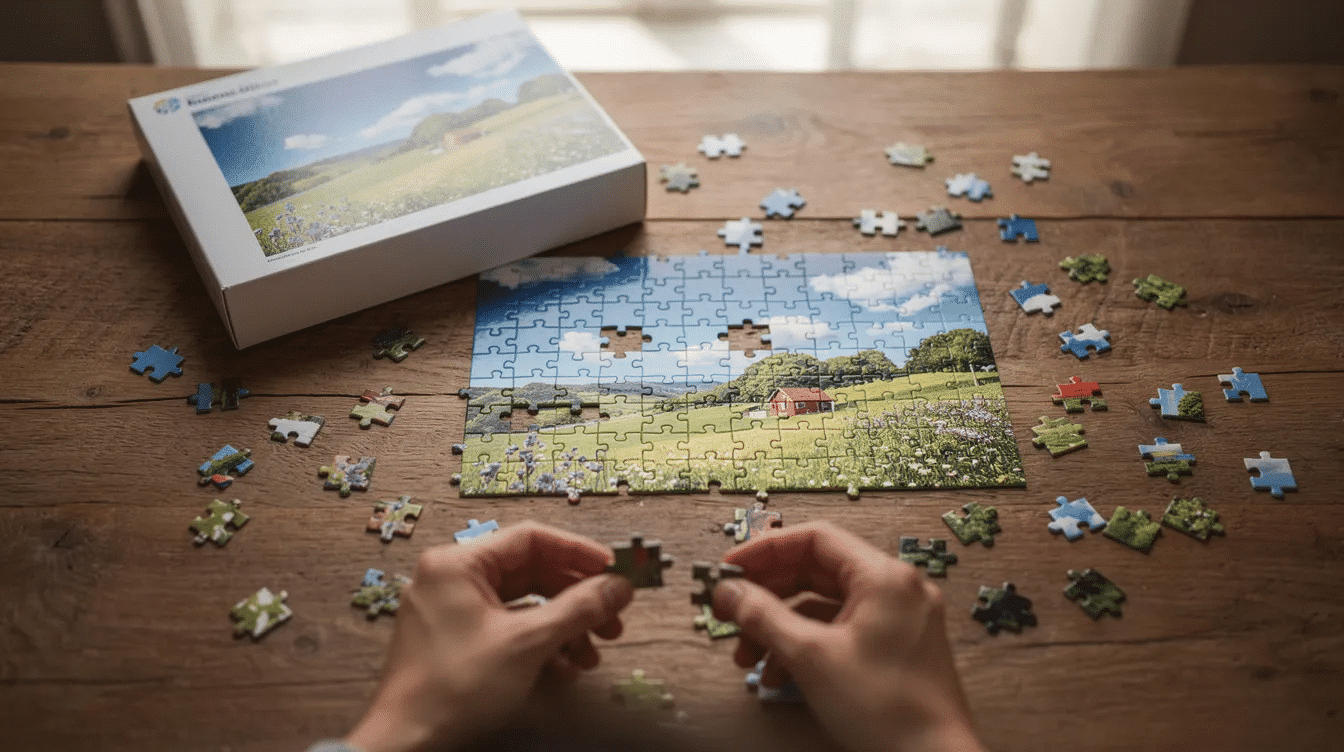
Turning a favorite photo into a hands-on activity takes about 30 minutes and costs almost nothing. Here is how to make a photo puzzle your kids will actually want to solve.
Key Takeaways
- You can turn printed family photos, kids’ drawings, or pet photos into a DIY jigsaw puzzle using recycled cereal boxes and basic supplies.
- Two options are covered in this post: a quick, simple cut-and-stick photo puzzle for preschoolers and a sturdier custom jigsaw puzzle with interlocking pieces.
- Custom puzzles are made from durable board materials, and puzzle pieces are designed to withstand repeated assembly when sealed properly.
- The project is budget-friendly, fully adjustable by age, and needs no special device or software.
- Finished puzzles double as personalized gifts for birthdays, anniversaries, and family events.
Why Make Your Own Photo Puzzle?
Photo puzzles combine fine motor skills practice, spatial reasoning, and storytelling in a single activity. Children aged 3-5 perform best on puzzles when they recognise the image and can work with familiar shapes, according to research on preschool hand development.
Photos that work well: a summer holiday beach snap, a pet portrait of your cat or dog, a sibling hug on the first day of school, or a grandparent’s birthday party. Family vacation snapshots create engaging custom puzzles, and pet photos are ideal for custom photo puzzles because they give kids a single, clear subject to focus on. Kids’ drawings make heartfelt and personal puzzles too. Wedding photos can be turned into memorable puzzle keepsakes, and group celebration photos create fun shared activity puzzles.
A shop-bought custom photo puzzle starts at $7.99, and Walmart offers puzzles with sizes ranging from 30 to 1,014 pieces. DIY is cheaper, quicker, and lets you choose the exact piece counts and difficulty for your child. No photo upload to a website required; just a printer, cardboard, scissors, and glue.
Supplies You’ll Need for a DIY Photo Puzzle
Screenshot or print this checklist before you start.
Essential materials:
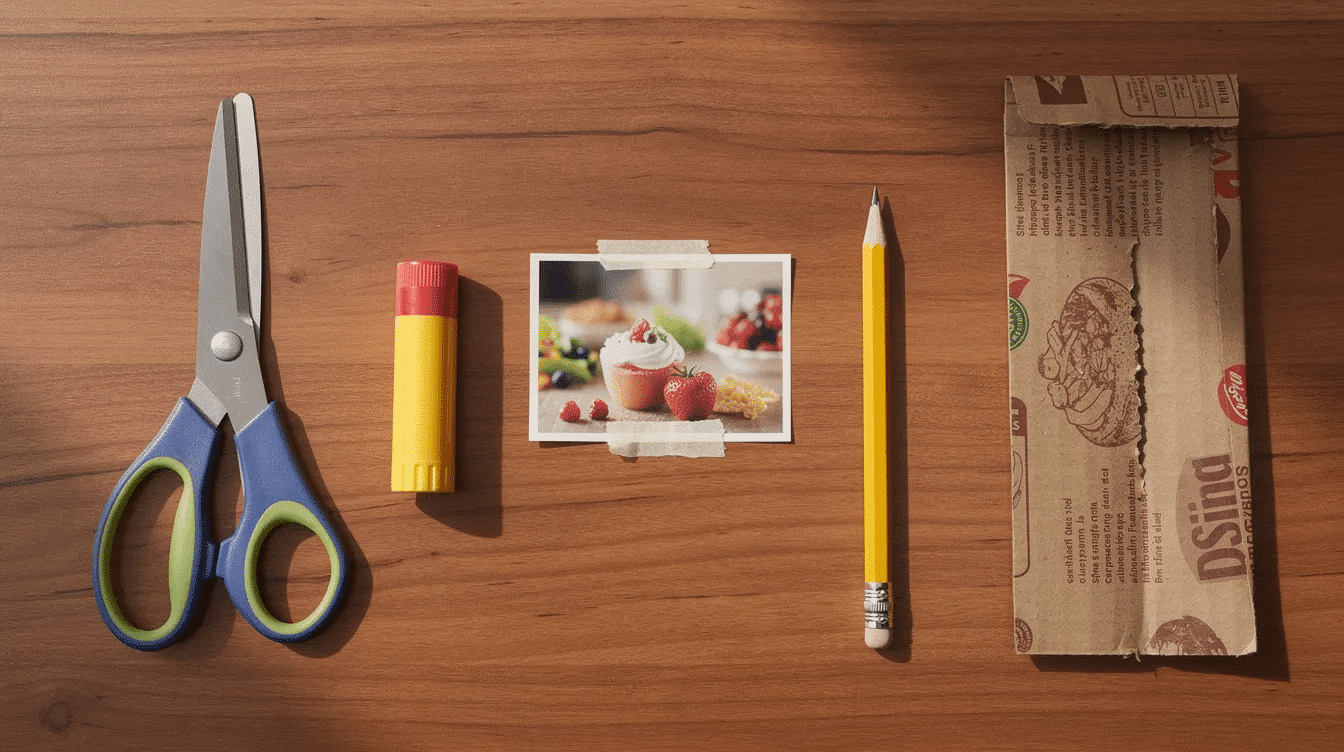
- Printed photo (10×15 cm / 4×6″ or A5), ideally on high-quality photo paper or sticker paper
- Empty cereal box or thin cardboard (1.5-2 mm thick)
- PVA glue or glue stick; a clear adhesive can be used to mount a photo on a sturdy backing
- Child-safe scissors, pencil, ruler
- Clear tape or Mod Podge (optional sealer)
Optional extras for a fancier custom puzzle:
- Craft knife and cutting mat (adults only); using a sharp craft knife helps achieve cleaner edges when cutting puzzle pieces
- Spray adhesive or clear contact paper
- Small box or envelope for storage
Custom puzzles can be made from a high-resolution image of at least 300 DPI. You can upload any JPG, PNG, or WEBP file to print from your own device. Parents without a printer can use existing photo prints, grab low-cost prints from a supermarket kiosk, or let kids draw directly onto cardboard. Adults should handle all craft knives; preschoolers can press photos down, draw lines, and separate pieces.
Choose the Right Photo (or Artwork) for Your Puzzle
The image you pick determines whether the puzzle feels fun or frustrating, especially for 3-to-6-year-olds. High-resolution printing ensures crisp detail on puzzles, so preview your picture on screen before printing and adjust printer settings for best print quality.
Choose clear, high-contrast photos with big shapes and recognisable subjects: a bright red coat against snow, a simple family portrait, or a close-up pet portrait. Images with varied colors and textures make easier puzzles to assemble. Large areas of single color in a photo (a plain blue sky, white wall) can complicate puzzle assembly because kids cannot tell those pieces apart. Images should avoid blurry screenshots and should not be heavily compressed for clarity.
Theme ideas to explore:
- Family portraits or preschool crafts about family
- Pet photos of cats, dogs, or hamsters
- Kids’ drawings on a plain background
- Simple maps (the walk to nursery)
Match complexity to ages: toddlers benefit from big blocks of colour; older kids handle patterns and detailed scenes. Crop your own photo using free phone tools so important faces sit away from the outer few millimetres where cuts will go.
Method 1: Simple Cut-Up Photo Puzzle for Preschoolers
This is the quickest version, perfect for a rainy afternoon or a last-minute quiet-time activity.
- Glue the printed photo onto your cereal-box cardboard. Secure the photo flat under a heavy book for 15-20 minutes.
- Flip the board over and draw a grid of straight cutting lines with pencil and ruler. Cutting a puzzle pattern can be done by tracing or freehand drawing.
- Cut along the lines with scissors.
Adjusting difficulty by age:
- Toddlers (2-3): cut into 4-6 large rectangles
- Preschoolers (3-5): cut into 9-16 squares; kids’ puzzles typically range from 30 to 56 pieces in commercial sets, but for DIY, fewer is better
- Reception-age (5-6): puzzles with a piece count of 20 to 100 are suitable for children this age
Crafting puzzles at home allows for personalized sizes and piece shapes. Turn the activity into a learning game by writing text on the back of each piece: letters, numbers, or your child’s name. Kids can drag pieces around and use either the picture or the writing as clues.
Tuck finished puzzle pieces into a labelled envelope with a mini printout of the original photo on the front. Including a reference print inside the puzzle box can help with difficult puzzles. Do a quick test build together the first time; testing the assembled puzzle ensures all pieces fit correctly and prevents frustration.
Method 2: Sturdier Custom Jigsaw Puzzle with Interlocking Pieces
This method feels closer to a shop-bought custom jigsaw puzzle and works well as a handmade gift for birthdays or anniversaries.
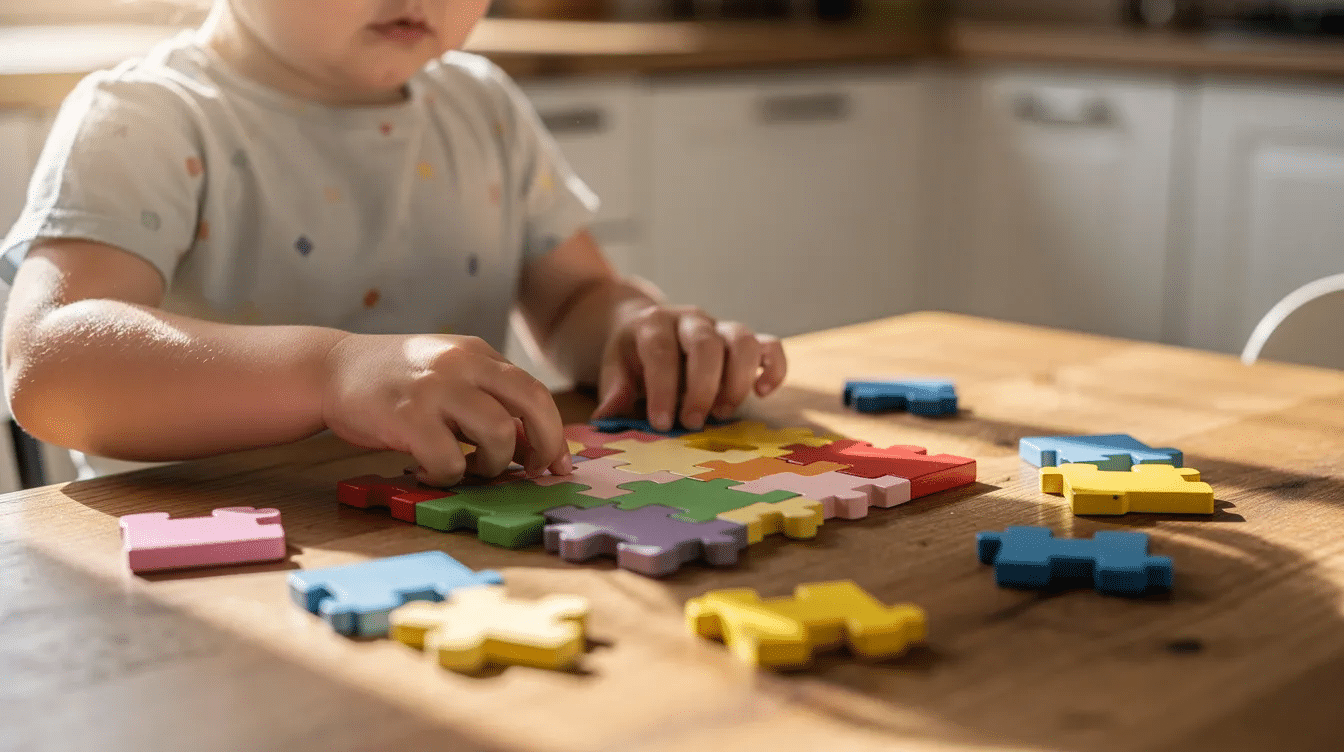
Lightly sketch a rectangle on the back of your cardboard, then divide it into a 3×4 or 4×5 grid layout. Add classic “knobbly” jigsaw tabs and blanks to each line. Puzzles can be designed with various cut styles and shapes; download free jigsaw templates from DIY craft sites if freehand feels tricky.
Adults should cut along the jigsaw lines with a craft knife on a cutting mat. Puzzle pieces are precision-cut for smooth assembly when you use a sharp blade and steady pressure. Puzzles can also be printed at home or cut with a laser if you have access to a cutting machine. Invite kids to help separate and mix the pieces once cutting is done.
Durability tip: seal the front of the photo with a thin coat of Mod Podge or clear contact paper before cutting so the own puzzle withstands sticky fingers and repeated play.
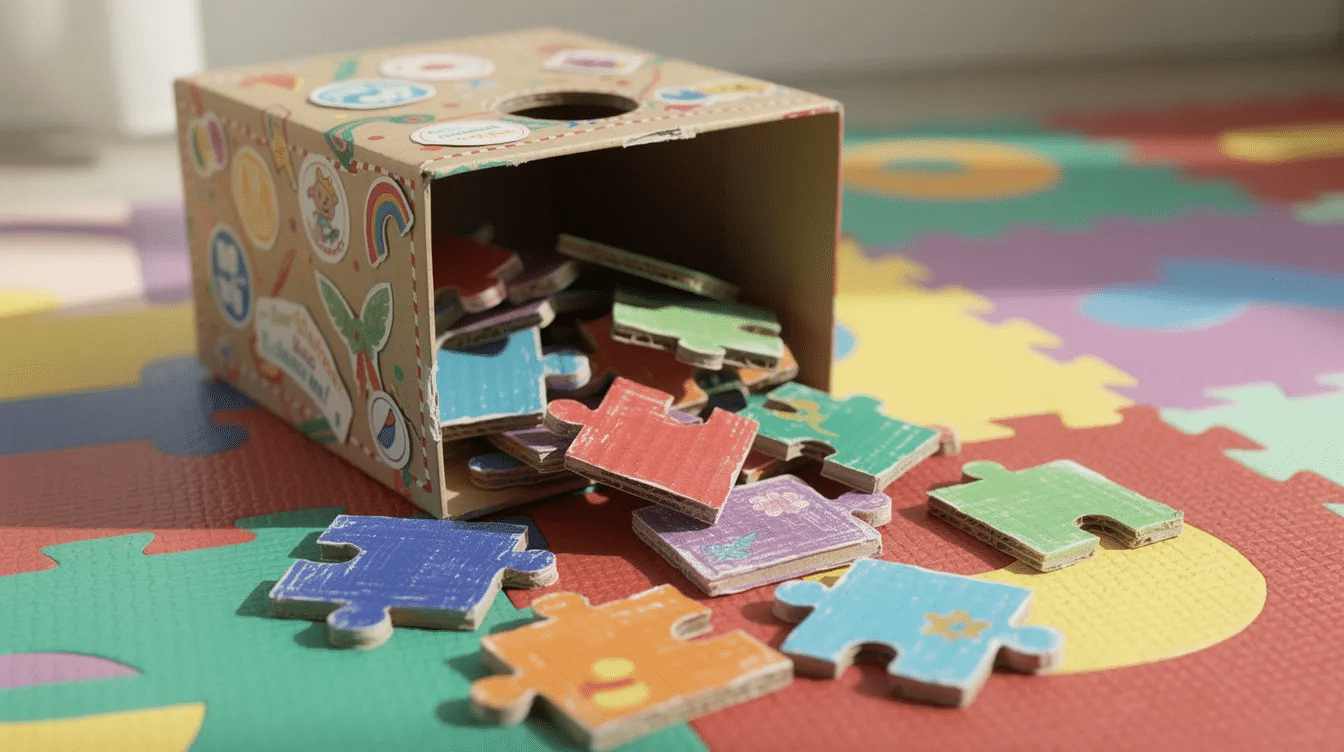
Personalisation ideas: write the date and child’s name on the back, scatter a secret message across pieces, or design a handmade “puzzle box” decorated with stickers and washi tape. Older kids can generate their own jigsaw art directly onto cardboard instead of gluing a printed photo, transforming a blank cereal box into a creative canvas.
Fun Ways to Use Photo Puzzles for Learning and Play
Photo puzzles stretch well beyond one craft activity session into everyday engagement.
- Letter matching: write uppercase on the front and lowercase on the back of each piece
- Story sequencing: make picture puzzles from a series of photos (getting dressed, brushing teeth, bedtime) so kids assemble them in order
- Emotion talk: discuss how family members look in the photo; this is an interactive way to build vocabulary
Build a “memory library” across 2025-2026: create one custom puzzle each month featuring birthdays, holidays, or first-day-of-school snapshots. Your favorite memories become a hands-on record of family life. Keep one or two familiar puzzles in a basket for screen-free wind-down time after nursery.
Younger siblings can start with 2-3 pieces from the same photo while older children work the full set, making this a perfect family game nights activity. You can also organise a “puzzle swap” with cousins or school friends, using photos or drawings that are meaningful to each family.
Storing, Displaying, and Gifting Your Photo Puzzles
DIY photo puzzles last for years with a bit of care, becoming memory boxes as well as toys.
Storage: use labelled zip-seal bags, small tins, or upcycled boxes with a mini print of the solved image taped to the front.
Display: assemble a finished puzzle on a sheet of paper, glue the back, mount it on thicker card, and pop it into a frame for a bedroom gallery.
Gift ideas:
- A personalized puzzle of a grandparent reading with your child for Grandparents’ Day; a thoughtful, easy present
- A collage of children’s drawings turned into a puzzle for a preschool teacher
- A pet portrait puzzle as a birthday present
CanvasChamp puzzles can be ordered online with flexible payment options if you opt for a professionally printed version. Photo puzzle printing usually starts within 24 hours of order confirmation. You can choose from 12 to 500 pieces for your custom puzzle, with piece counts ranging from 30 to 1,014 pieces available at retailers. Custom puzzles can also be created using online digital puzzle makers when you want a polished result without any marketing hassle. High-resolution images ensure better print quality for puzzles ordered online.
Include a copy of the original photo as a “solution card” in any gift package. Over the years, a small collection of personalized puzzles becomes a lovely record of your family’s story.
Frequently Asked Questions about Making Photo Puzzles
These FAQs cover practical issues parents often ask. Each question is bolded for quick skimming.
What ages are photo puzzles suitable for?
Toddlers aged 2-3 do well with 2-6 large pieces cut in simple shapes. Preschoolers aged 3-5 can handle 6-16 pieces. Photo puzzles can have 12 to 1,014 pieces overall, but for children, a piece count of 20 to 100 covers most ability levels. Puzzles are available in sizes from 30 to 1,014 pieces at retailers if you want to explore ready-made options. Always ensure pieces are large enough that they do not pose a choking risk for children under 3.
What if I don’t have a printer?
Use existing photo prints from a drawer, order low-cost 4×6″ prints from a supermarket photo kiosk, or skip the photo entirely and let kids draw their favorite photo subject directly onto the cardboard. Puzzles can be created from family, travel, or pet photos in any printed format.
How do I clean and store DIY puzzles?
Seal the front with Mod Podge or contact paper to protect against moisture. Wipe pieces gently with a slightly damp cloth; avoid soaking. Store puzzles flat in zip-seal bags or small boxes in a dry spot, away from younger siblings who still mouth objects.
Why are pet photos so good for puzzles?
Pet portraits give children a single, recognisable subject with distinct colours and textures. A close-up of a dog’s face or a cat curled on a blanket provides clear shape boundaries that make assembly satisfying. Choose images where the pet fills most of the frame against a contrasting background for best results.
Can I order a professional version instead of making one?
Yes. Custom puzzles can range from 30 to 1,014 pieces. You can upload any JPG, PNG, or WEBP image to a website like CanvasChamp, choose piece counts from 12 to 500, and have a professionally printed puzzle shipped to you. Custom photo puzzles start at $7.99 and printing usually begins within 24 hours of order confirmation.