
Hidden toy soaps are one of the simplest ways to turn a daily chore into something kids actually look forward to. If you have a reluctant hand-washer at home, this Little Button Diaries guide is for you.
What Are Hidden Toy Soaps? (Quick Answer for Busy Parents)
Hidden toy soaps are novelty bar or liquid soaps with a toy embedded inside. These soaps often utilize a transparent or semi-translucent glycerin soap base so children can see the surprise waiting for them. Kids’ soaps often contain hidden toys for fun, and kids’ soaps are designed to encourage hand washing habits. They work because hidden toy soaps motivate children to wash hands or take baths, turning an everyday routine into a mini adventure.
This article is your go-to guide for how to choose, make, and safely use toy soap at home. Whether you prefer a classic glycerin bar or natural organics alternatives that skip the strong scent, there are options for every family. Here is what makes toy inside soaps so effective:
- They make bath time fun by giving kids a goal to scrub toward
- They build hygiene habits during cold and flu season
- They work as a low-cost reward system for reluctant washers
Why Kids Love Hidden Toy Soap (And Why Grown-Ups Do Too)
Picture this: your child refuses to wash their hands before snack time. You place a clear bar on the sink with a tiny dinosaur frozen in the middle. Suddenly, they are scrubbing with enthusiasm. Hidden toy soaps encourage children to clean by making bathing a treasure hunt, and children washing with hidden toy soaps scrub longer to reveal the hidden toy.
A pilot study in Cape Town found that kids given toy-embedded soap showed higher unprompted hand washing at mealtimes (49% versus 39%), suggesting these soaps genuinely shift behavior. The texture of hidden toy soaps changes as they are used, providing tactile engagement that keeps preschoolers interested. Kids also develop patience while waiting to reveal the toy over several baths. Once the toy is revealed, it can be used as an ongoing bath toy or collectible, so nothing goes to waste.
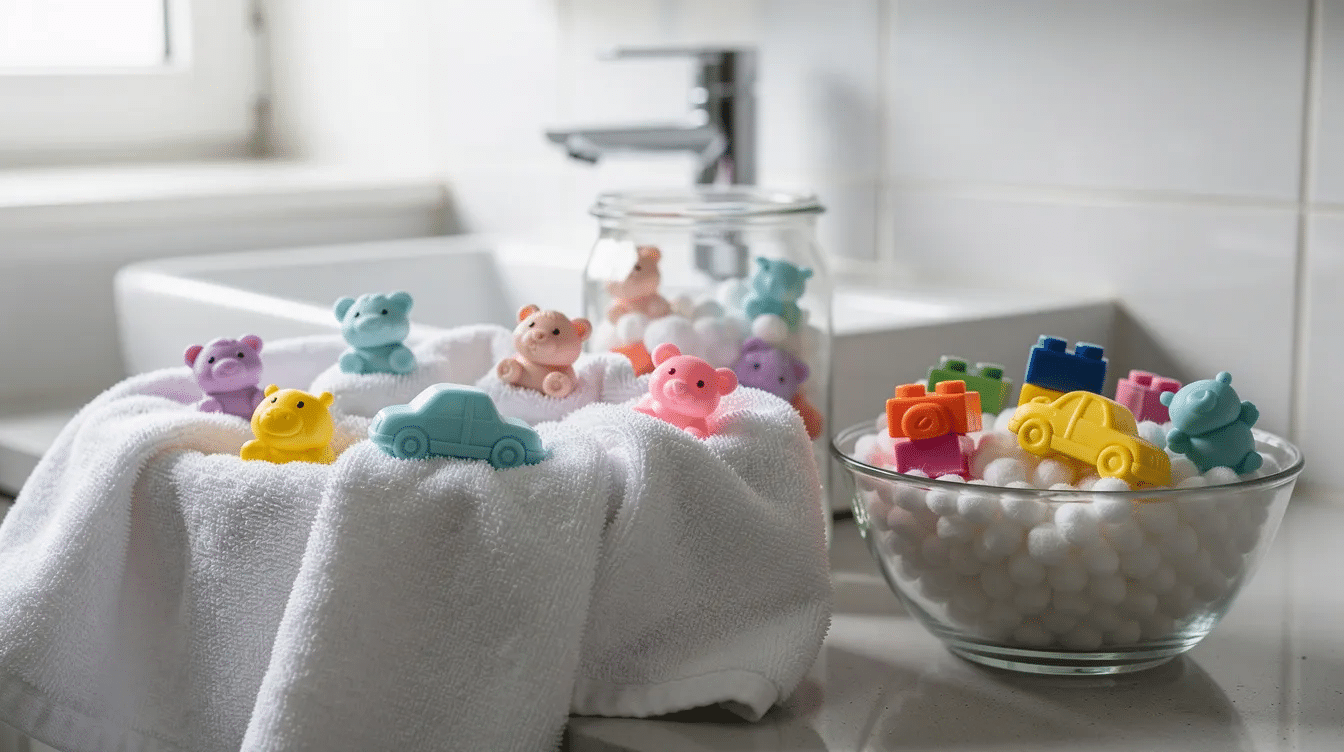
Specific toy types boys and girls love:
- Mini dinosaurs and rubber fish
- Tiny cars, unicorns, and farm animals
- Sea turtles, frogs, and LEGO-style bricks
Caregivers love that the soap doubles as both a practical item and a bath toy, which helps reduce clutter and save money. You can even watch your child’s excitement grow as the toy slowly emerges through the clear bar over time.
Choosing the Right Toys to Place Inside Soap
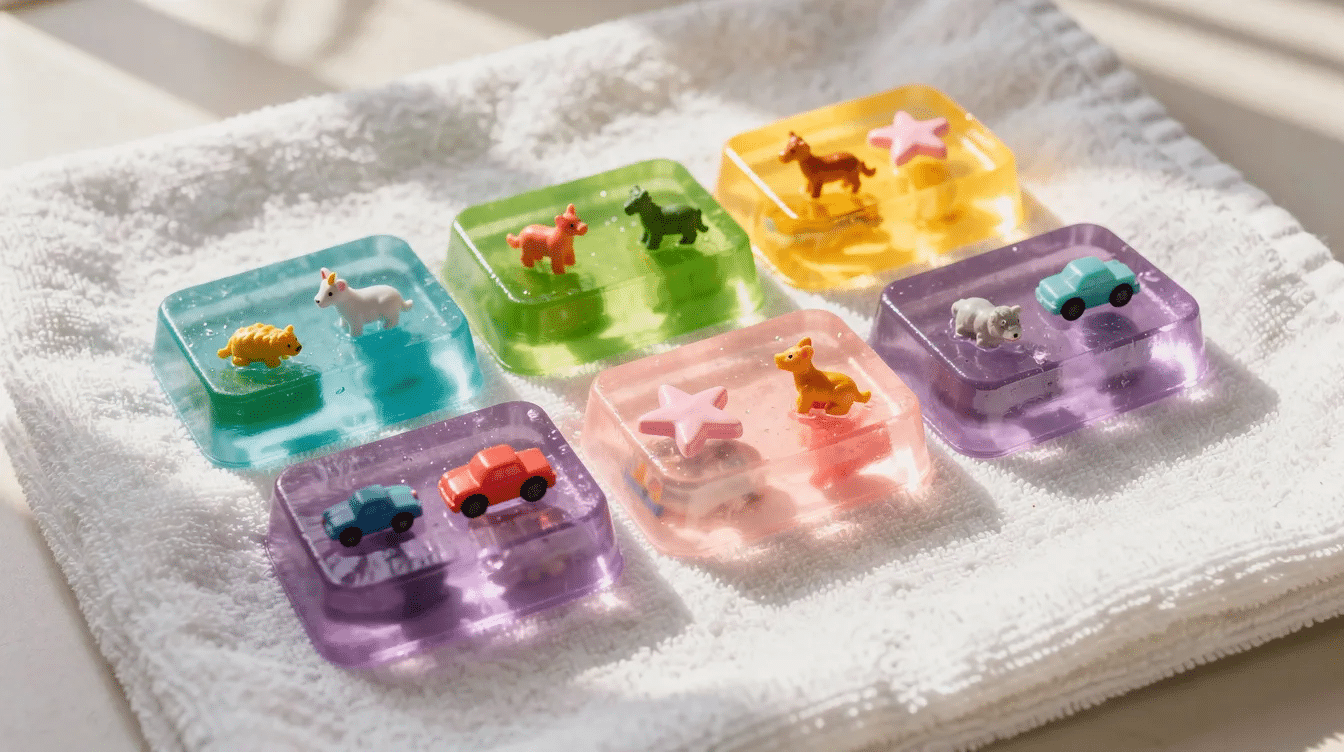
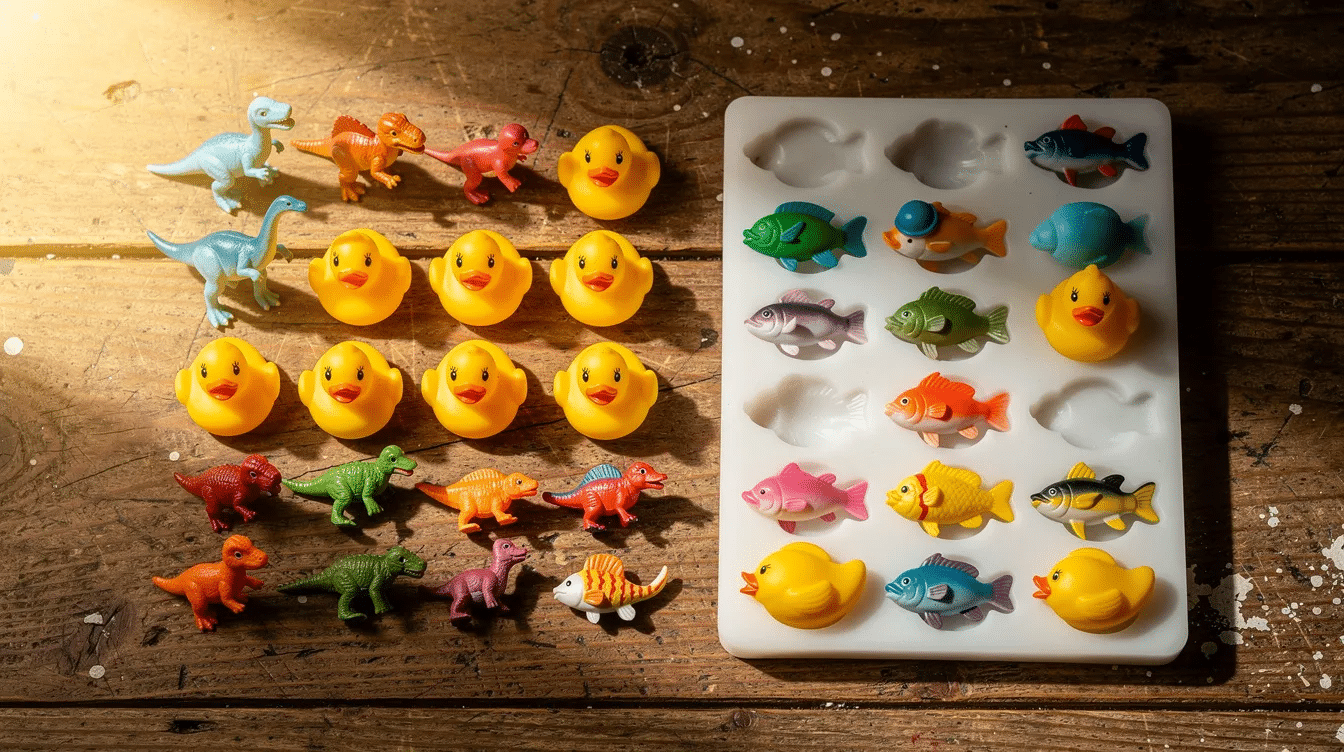
Not every toy belongs in soap. Size, material, and safety all matter when you choose what to embed. Many hidden toy soaps feature safe, small plastic toys or figures suitable for children, so stick with proven options.
- Use small toys like cars or dinosaurs for soap; each soap can feature different toys like fish or dinosaurs to keep things fresh
- Toys should be non-porous (plastic, rubber, or silicone), never wood or fabric
- Avoid electronic parts, loose battery compartments, or anything with small detachable pieces
- For younger kids, toys should be at least 3.5 cm (about 1.5 inches) in diameter so they cannot fit in a child’s mouth
- If you want a natural organics feel, look for BPA-free, phthalate-free toys or natural rubber animals to add to your cart
- Prep each toy by washing with warm soapy water first; wrapping delicate painted toys in a thin layer of plastic wrap to protect the design is optional
Materials & Ingredients: From Natural Organics Soap to Fun Colors
Parents can choose between a quick melt-and-pour glycerin base sold at most craft stores and a gentler SLS-free base made with plant oils, aloe, or goat’s milk. Sensitive skin-friendly bases are preferred to avoid skin irritation in children, so check labels before you stock up.
Shopping checklist:
- Clear glycerin melt-and-pour base (many seller options online and in-store)
- Optional: white or creamy base for layered effects
- Child-safe soap dye in bright colors (avoid food coloring if staining is a concern)
- Kid-friendly essential oils at very low dilution: lavender, chamomile, or orange are great starting points
- Soaps are available in various kid-friendly scents; older kids may enjoy cedarwood or vetiver, though these are better for ages six and up
- Silicone molds, a heat-safe jug, and rubbing alcohol in a spray bottle
Avoid strong oils like peppermint for very young children. If your child has eczema or fragrance sensitivities, keep the soap unscented. The bar still smells clean without added scent, and the toy inside remains the main attraction. For visual depth in the finished bar, a transparent layer on top with a slightly tinted layer below creates a beautiful look when photographed in natural light.
Step‑by‑Step: How to Make Hidden Toy Soap at Home
Homemade toy soaps can be made in 15 minutes of active work plus setting time, making this a perfect weekend craft. Hidden toy soaps can be made using a melt-and-pour glycerin base with waterproof toys. Here is how to do it:
- Cut the soap base into small cubes and place them in a microwave-safe jug. You can melt glycerin soap in about 2 minutes in the microwave using 30-second bursts, stirring gently between each to avoid bubbles.
- Once melted, add a toothpick amount of soap dye and a few drops of essential oil. Add essential oils for fragrance in homemade soaps at this stage while the base is warm but not boiling.
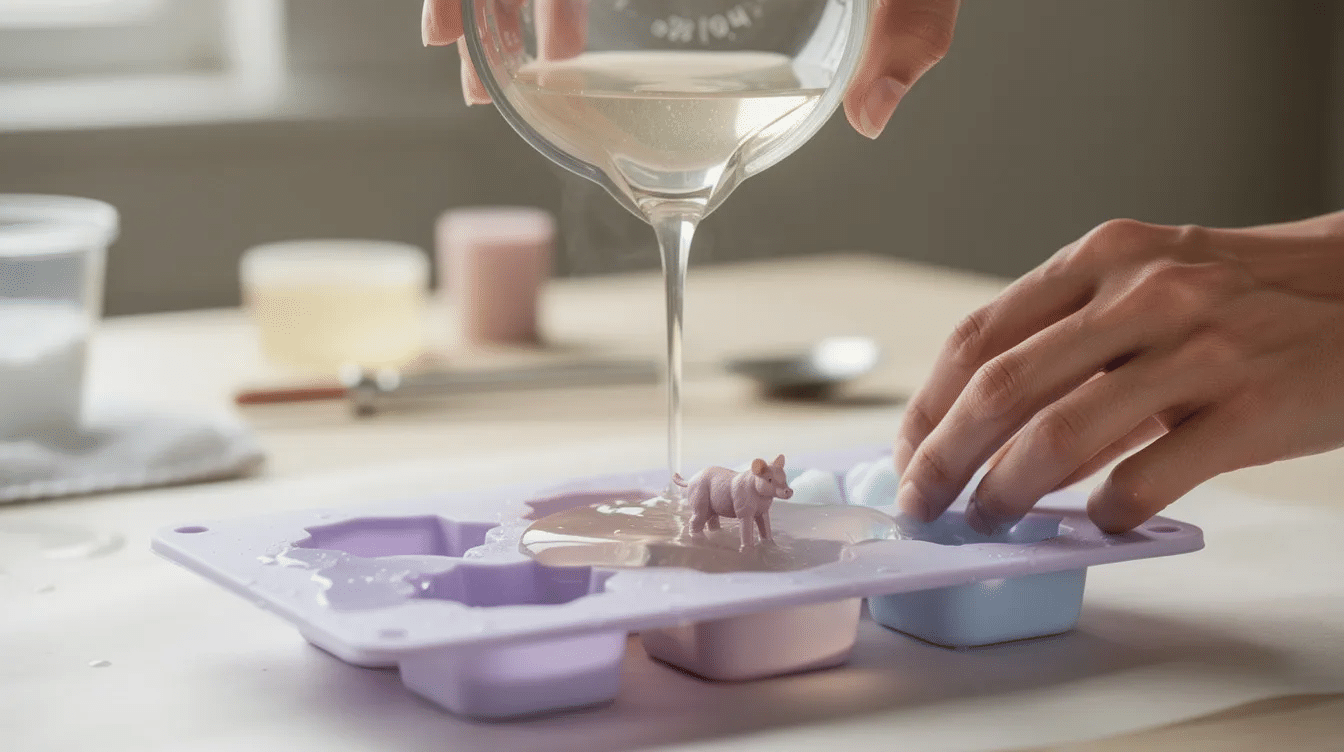
- Pour a shallow layer into the mold first and let it thicken slightly for about two minutes. This creates a cushion so the toy does not sink to the bottom.
- Place the toy in the middle of the mold on top of the set layer. Spritz the surface with rubbing alcohol to pop any air bubbles.
- Pour the remaining melted soap over the toy to fill the mold. Wait 30-40 minutes for the soap to set before use, or pop the mold in the fridge to speed things up.
- Unmold gently and admire your handmade creation.
Consider making a production line of four to six bars so kids can receive extras to gift to friends or teachers. You can find more project inspiration on our DIY activities page.
Safety, Age Guidelines, and Everyday Use Tips
Most hidden toy soaps are recommended for children aged 4 years and older due to choking hazards. Safety warnings indicate toys may pose choking hazards for younger children, so keep these points in form:
- The American Academy of Pediatrics advises avoiding small toys that fit in a child’s mouth. Never use tiny beads or parts that could pass the CPSC small parts test
- Parents should supervise children to prevent choking hazards with hidden toys, especially during baths and in the shower
- Teach children not to bite or chew the soap bar; once the toy is fully freed, remove it, wash it, and let it dry before handing it over for play
- Patch-test new soap on a small area of skin first, especially if you added fragrance or dye
- Store bars on a draining dish between uses so they do not turn mushy in water; keep extras wrapped in paper away from direct sunlight
For preschools, try using the toy soap as part of a “wash your hands before snack” ritual. Rotate different toys each season to keep the surprise alive.
Creative Ways to Use Hidden Toy Soaps: Parties, Gifts, and Learning
Toy soap is more than a bath supply. It is a craft, a party favor, and a learning tool all in one form.
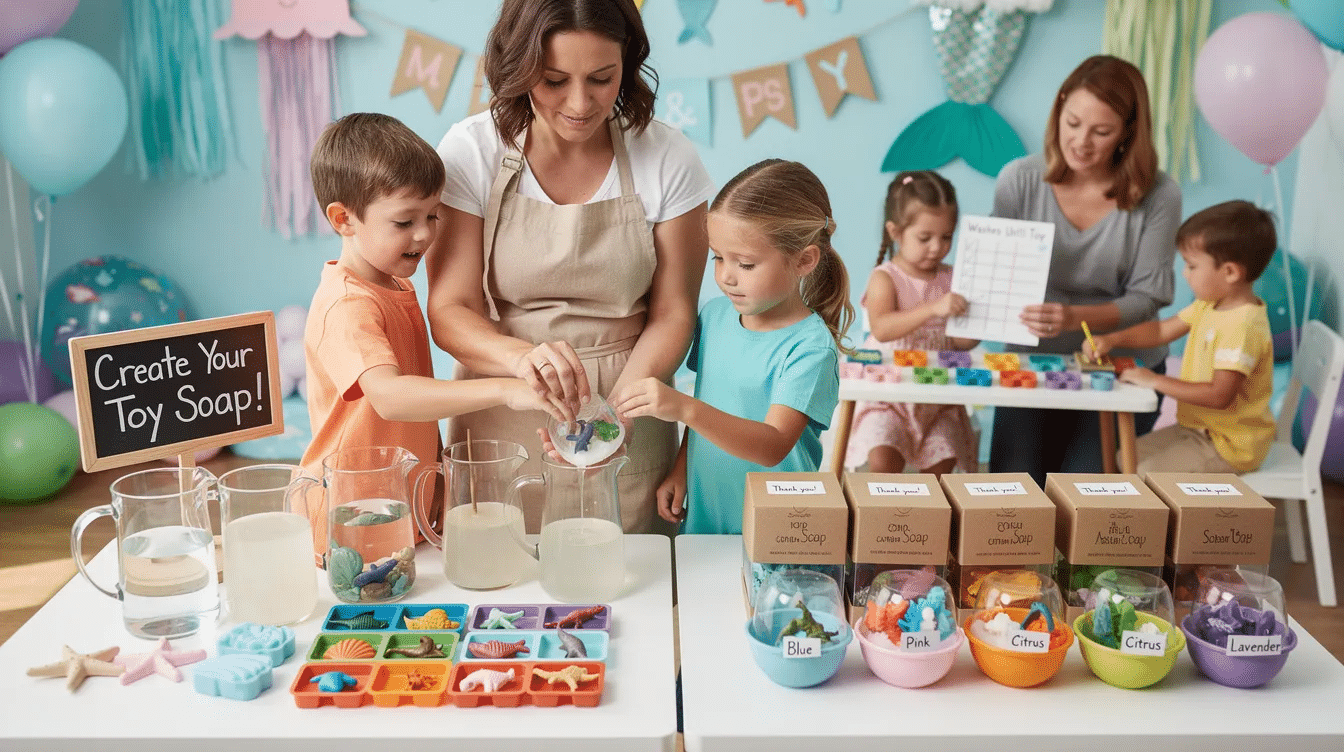
- Set up a soap bar station at a mermaid or under-the-sea birthday party where kids choose which fish or dino to trap inside while adults pour the melted base
- Use them as eco-conscious alternatives to plastic-heavy party bags, especially with natural bases and reusable toys
- Tie learning into the craft: have preschoolers count how many washes it takes to discover the toy, or sort finished soaps by colors and scent
Seasonal ideas work beautifully too. Think heart-shaped soaps with small animals for Valentine’s Day, star molds with planet toys for space week, or pastel eggs with chicks in spring. Involving children in choosing scents and colors turns the project into a low-cost STEM and art activity they will love.
Eco‑Friendly & Frugal Tips for Toy Soap Projects
At Little Button Diaries, we believe great crafts do not require expensive supplies. Here is how to keep costs low:
- Upcycle leftover soap scraps from previous projects or melt down almost-finished bars from your bathroom
- Buy toy multi-packs from dollar stores to keep the cost per bar under a dollar; reuse silicone baking molds that already live in your kitchen
- Wrap handmade bars in simple brown paper and string instead of plastic gift bags for an eco-friendly look
- Using a compact bar rather than large plastic pump bottles helps reduce waste in busy family bathrooms
If you see a soap base on your first order from a craft supplier, add a few extra pounds to your cart so you have stock for future batches. Some products ship quickly, so you could place an order today and start crafting by the weekend.
We would love to see what you create. Leave your questions, ideas, and photos in the comments below or tag us on social media. You can also watch videos from other parents in the community for even more inspiration. Now grab your supplies, pick a mold, and try your first simple batch this weekend. Your kids will thank you at bath time tonight.