Easter crafting has moved well beyond basic egg dyeing kits and cookie-cutter bunny shapes. This easter season, families are embracing everything from kitchen-scrap dyes to upcycled cardboard playsets, and the results are equal parts pretty and educational. Whether you’re looking for adorable easter crafts that double as spring decor or simple easter crafts that keep preschoolers engaged for an afternoon, there’s genuine inspiration to discover. Here are seven trends we absolutely love – and how to decide which ones fit your family best.
How We Chose the Top Easter Craft Trends
With so many easy ideas floating around pinterest, we narrowed things down using criteria that matter most to busy parents:
- Age-appropriateness – suitable for toddlers and preschoolers (ages 2–6), with options for older kids too
- Budget and materials – prioritizing household supplies over specialty purchases
- Safety and mess level – manageable cleanup and non-toxic materials
- Visual appeal – crafts worth taking a picture of and sharing
- Educational value – fine motor skills, science, sustainability, or creative problem-solving
- Time investment – realistic for family sessions of 15–60 minutes
Top 7 Easter Craft Trends for Families in 2026
1. Natural Eco-Dyeing with Kitchen Scraps
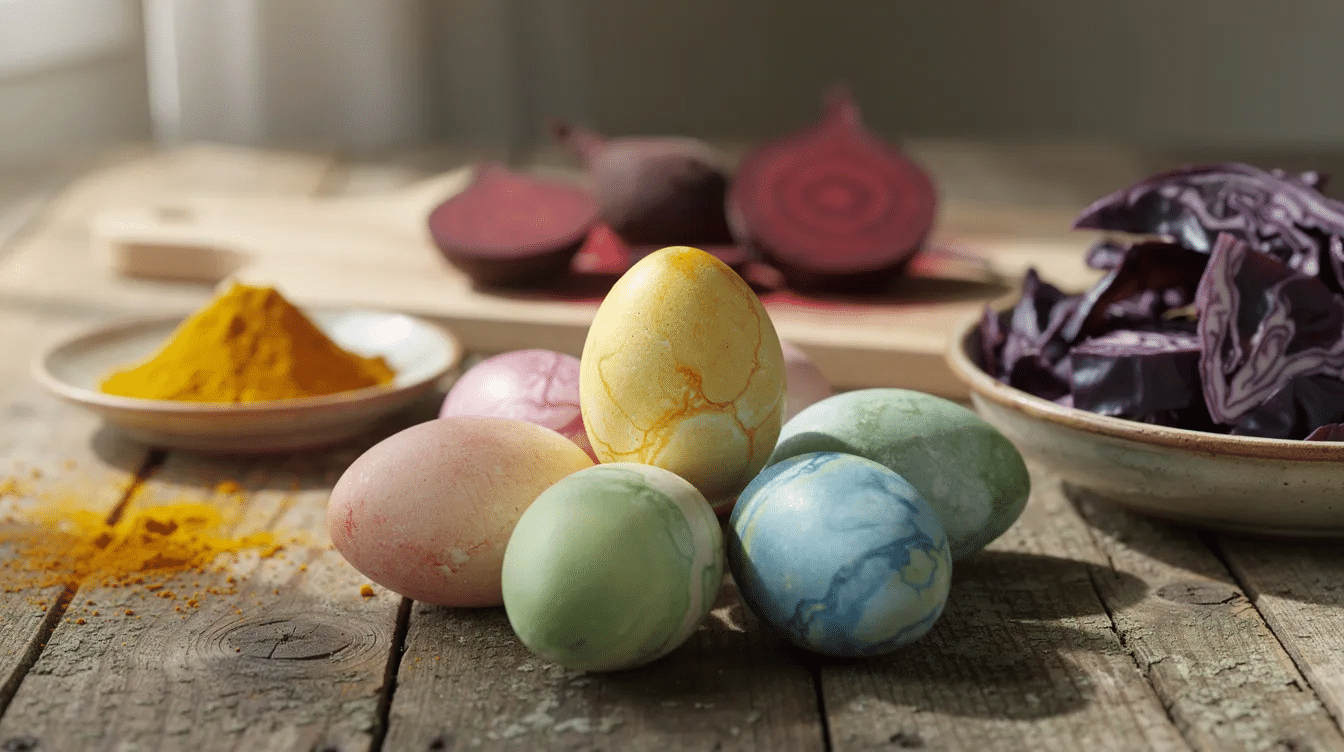
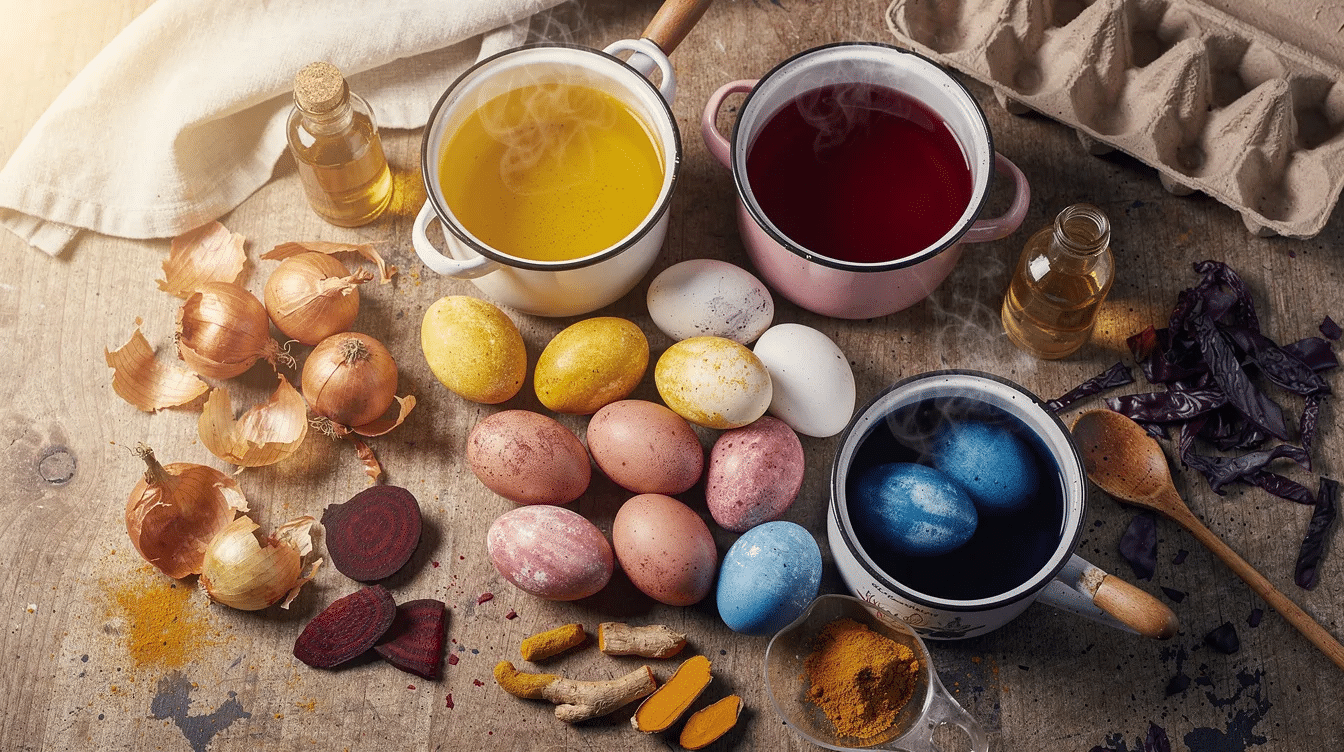
Swap the commercial dye tablets for onion skins, beets, turmeric, and red cabbage. Simmer your chosen ingredient in water with a splash of vinegar, then soak eggs for deeper, richer hues. Turmeric yields golden yellow, beets create soft pink, and purple cabbage produces a surprising blue. Egg decorating trends are shifting to sophisticated organic finishes, and this technique delivers exactly that.
Why It Stands Out
It teaches sustainability while producing gorgeous DIY floral Easter eggs that elevate traditional decor. You can also try decoupage Easter eggs using delicate paper napkins for decoration, or Easter decorations that include yarn-wrapped craft eggs for extra texture. Ceramic platter eggs can be embellished for seasonal displays alongside your naturally dyed collection, and vintage deviled egg plates display decorative eggs beautifully as a centerpiece. Sustainable crafts use materials like empty eggshells and thrifted items, keeping costs near zero.
Best For
Environmentally conscious families and parents wanting to teach natural science. Easter crafts can include wrapping eggs with yarn or string for a fun way to layer textures over natural dyes.
Key Strengths
- Uses materials already in most kitchens
- Safe for toddlers to handle (with adult supervision near hot liquids)
- Creates unique results every time
Possible Limitations
- Requires advance planning and prep time
- Colors may be less vibrant than commercial dyes
2. Upcycled Cardboard Easter Villages
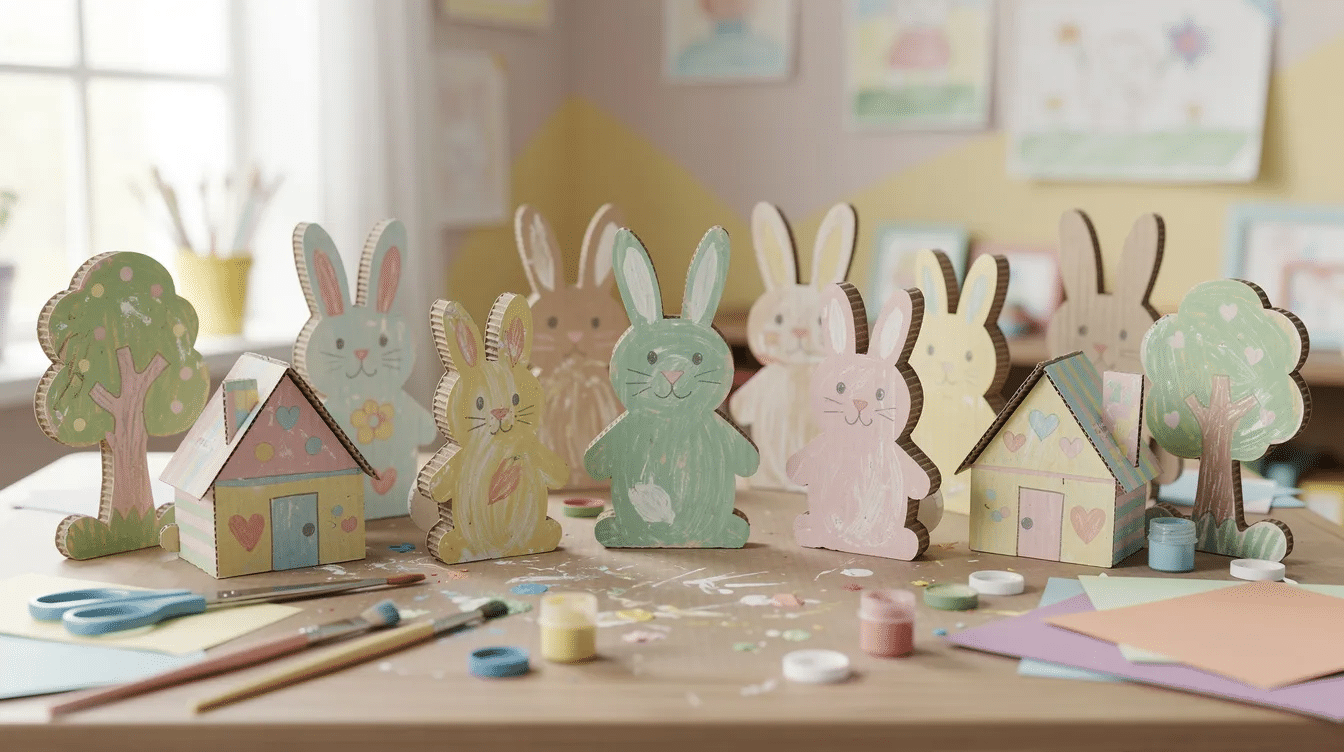
Transform cardboard boxes into bunny cut-outs, miniature barns, and Easter-themed playsets. Grab leftover shipping boxes, spray paint in pastels, and let kids paint, glue, and decorate. Easter crafting trends focus on sustainability and reusable home decor, and this project delivers on both. Upcycled paper crafts promote high-end, reusable decorations for Easter that look charming on a mantel or shelf.
Why It Stands Out
Nearly 90% of mass-market Easter baskets are discarded within weeks. This craft combats that waste. Vintage Jell-o molds can be upcycled into Easter centerpieces, vintage bobbins can be upcycled into decorative carrots, and even old light fixtures can be used for seasonal decor – the upcycling possibilities are delightful. If your kids love building with boxes, they’ll also enjoy learning how to make a toy car from cardboard.
Best For
Families focused on sustainable living and parents wanting multi-day projects.
Key Strengths
- Free materials from household recycling
- Develops spatial reasoning and planning skills
- Creates lasting play value beyond Easter
Possible Limitations
- Requires significant time investment
- Can create temporary mess during construction
3. Minimalist Paper Origami Easter Decor
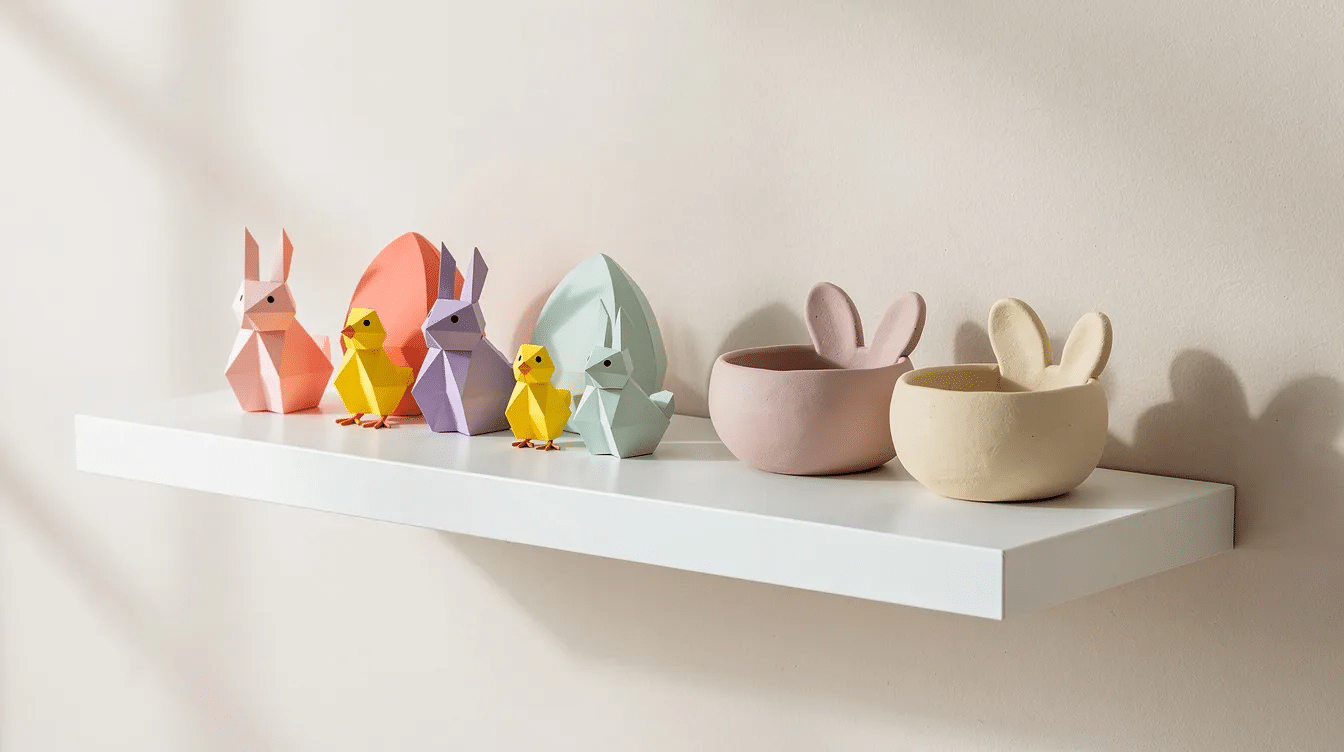
Folded paper bunnies, geometric chicks, and angular easter egg shapes bring a modern style to your easter decor. DIY clay bunny bowls are trendy and minimalist, and they pair perfectly with paper origami on a display shelf. Color palettes for Easter decorations are evolving towards soft pastels mixed with playful accents.
Why It Stands Out
Kids can create stained glass Easter eggs using tissue paper for a sweet translucent effect in windows. Buttons are ideal for creating DIY Easter egg collages alongside origami pieces. The 2026 trend includes handmade vintage-inspired Easter art like botanical prints and pressed-flower frames, and DIY Easter egg wreaths can be made with crepe paper eggs to hang as a wreath or garland.
Best For
Parents preferring clean, modern home decor and children ready for focused fine motor work.
Key Strengths
- Requires only paper and basic folding skills
- Develops concentration and direction-following
- Results in elegant, non-cluttered decorations
Possible Limitations
- May be too advanced for younger preschoolers
- Limited color and texture variety
4. Sensory Easter Playdough and Slime Activities
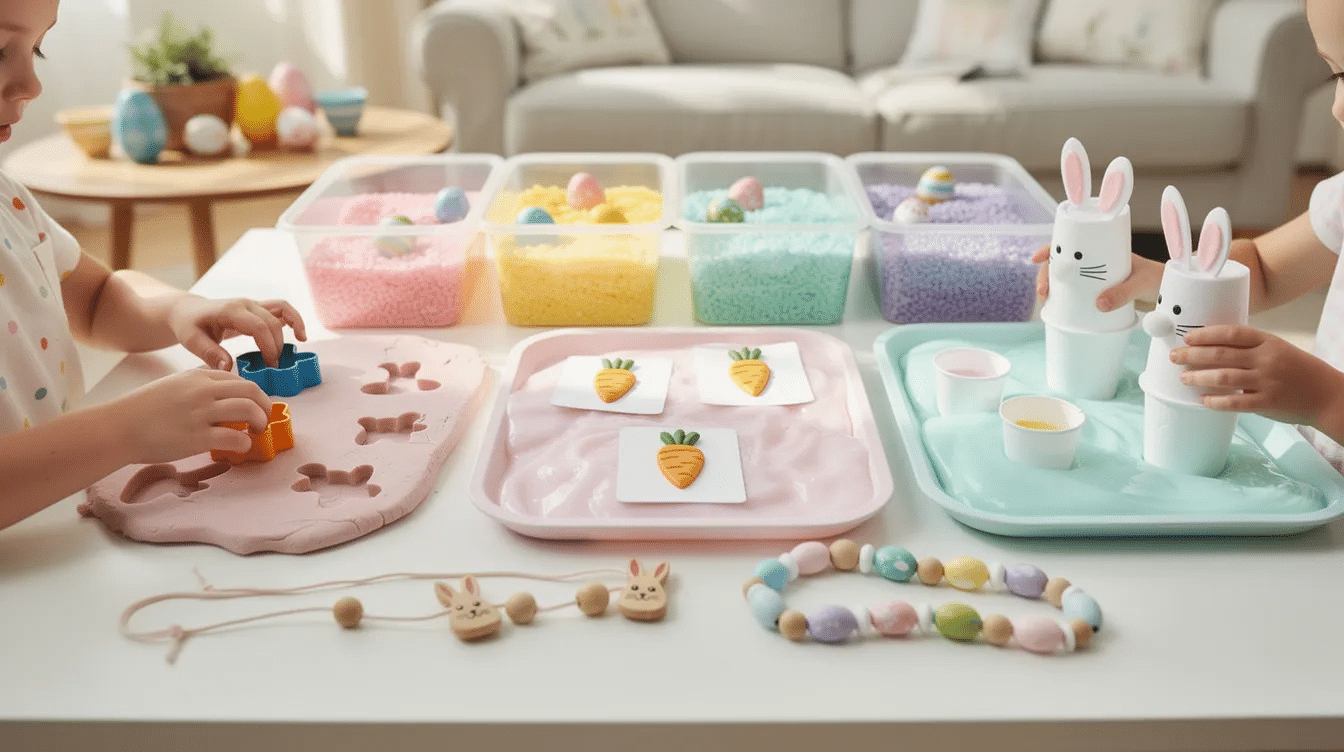
Easter-scented playdough recipes and themed sensory bins are a perfect easy easter craft for little hands. Fill bins with dyed rice, hide small easter egg shapes inside, and add cookie cutters shaped like bunnies and carrots. Kids can create carrot shapes using their fingerprints for Easter cards, and foam cups can be transformed into cute bunny figures during the same session. Wooden beads can create cute Easter bunny decorations that kids string alongside their sensory play.
Why It Stands Out
Sensory play supports neural development, emotional regulation, and fine motor control. Kids can make jelly bean bracelets using yarn or elastic – a fun easter activity that doubles as a great gift for friends. Toss in real jelly beans and candy for sorting, and you’ve got a craft that sounds like a party. For more sensory craft ideas, check out our sensory art activities for special needs post. Popular trends include soft textiles and earthy color palettes for Easter crafts.
Best For
Families with sensory-seeking children and parents wanting calming activities.
Key Strengths
- Supports development and emotional regulation
- Can be made with kitchen staples
- Provides hours of open-ended play and fun
Possible Limitations
- Can be messy without proper setup
- Requires supervision for youngest children
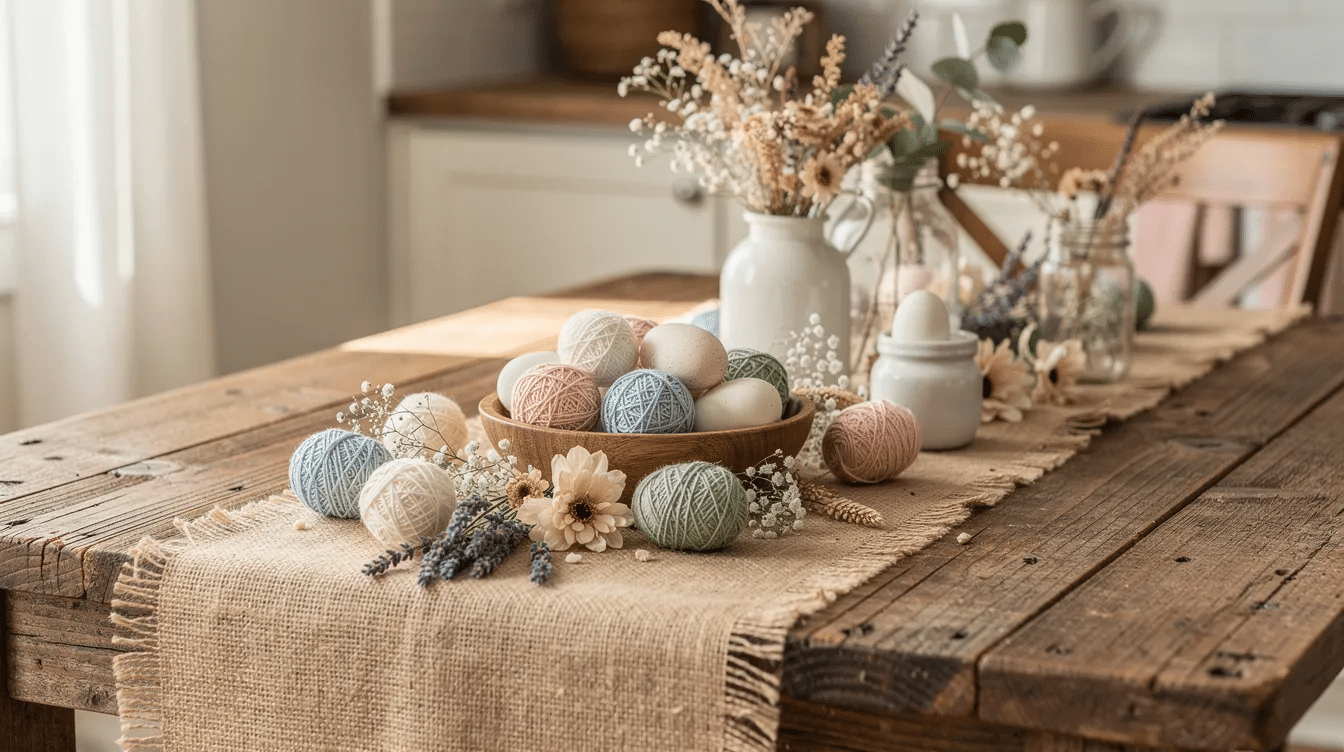
5. Farmhouse Rustic Easter Displays
Burlap, twine, reclaimed wood, and natural fiber textures create gorgeous easter decor that blends with existing home style. Crafters are moving towards organic textures and charming decorations. Soft and stuffed fabric crafts add warmth and dimension to home spaces – fabric bunnies can be made from vintage bed sheets, and fabric scraps can be used to create unique bunnies in any size.
Why It Stands Out
Easter egg topiary trees make stunning table centerpieces, essentially functioning as an easter tree for your dining room. Nature-inspired florals involve using soft LED lights and organic materials. Crochet and stitched textile crafts are on trend for Easter 2026, and fiber arts like embroidery celebrate themes of spring and nature. Personalized decorations and custom crafts are gaining popularity for Easter celebrations – you can customize each piece to fit your collection. Easter décor is increasingly reflective of garden-inspired themes and natural elements. Even filling no-sew sock bunnies (made from old socks) is a hit with preschoolers.
Best For
Families with farmhouse or rustic home decor and parents wanting sophisticated results.
Key Strengths
- Materials blend with existing decor
- Teaches texture exploration
- Creates photo-worthy displays
Possible Limitations
- May require purchasing specific materials
- Limited appeal for kids preferring bright colors
6. Interactive Pop-Up Easter Cards
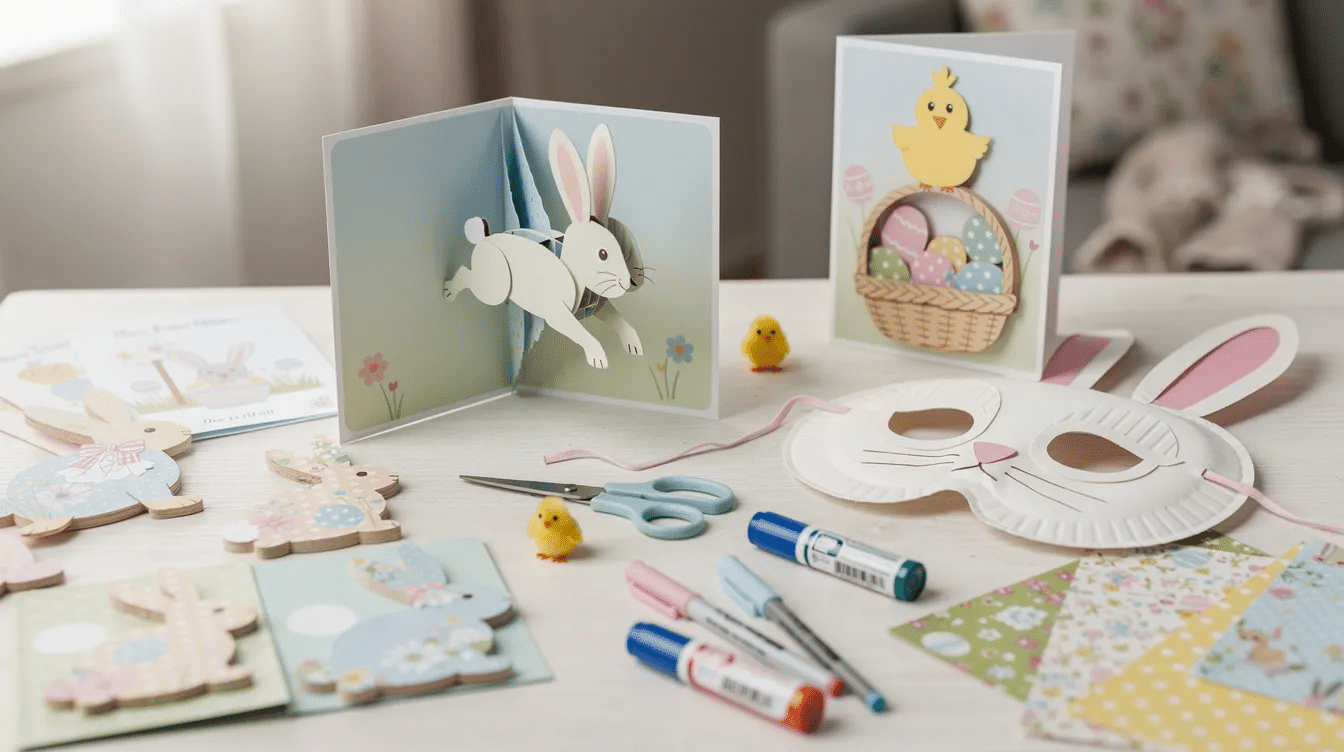
Simple mechanism cards with an easter bunny that pops up or a basket that opens make adorable easter crafts for kids of all ages. Decoupage wooden Easter bunnies are a fun crafting technique to feature on card fronts, and bunny masks can be made from paper plates for imaginative play alongside card-making. These handmade cards make a pretty, personal gift for grandparents. Check out our easy peasy Easter chick cards for more card-making inspiration.
Best For
Children excited about how things work and families wanting meaningful gifts for relatives.
Key Strengths
- Develops problem-solving and spatial reasoning
- Creates personalized gifts for family members
- Uses common craft supplies like paper, glue, and frame cutouts
Possible Limitations
- Requires adult assistance for mechanism construction
- May frustrate children expecting immediate results
7. Edible Easter Garden Crafts
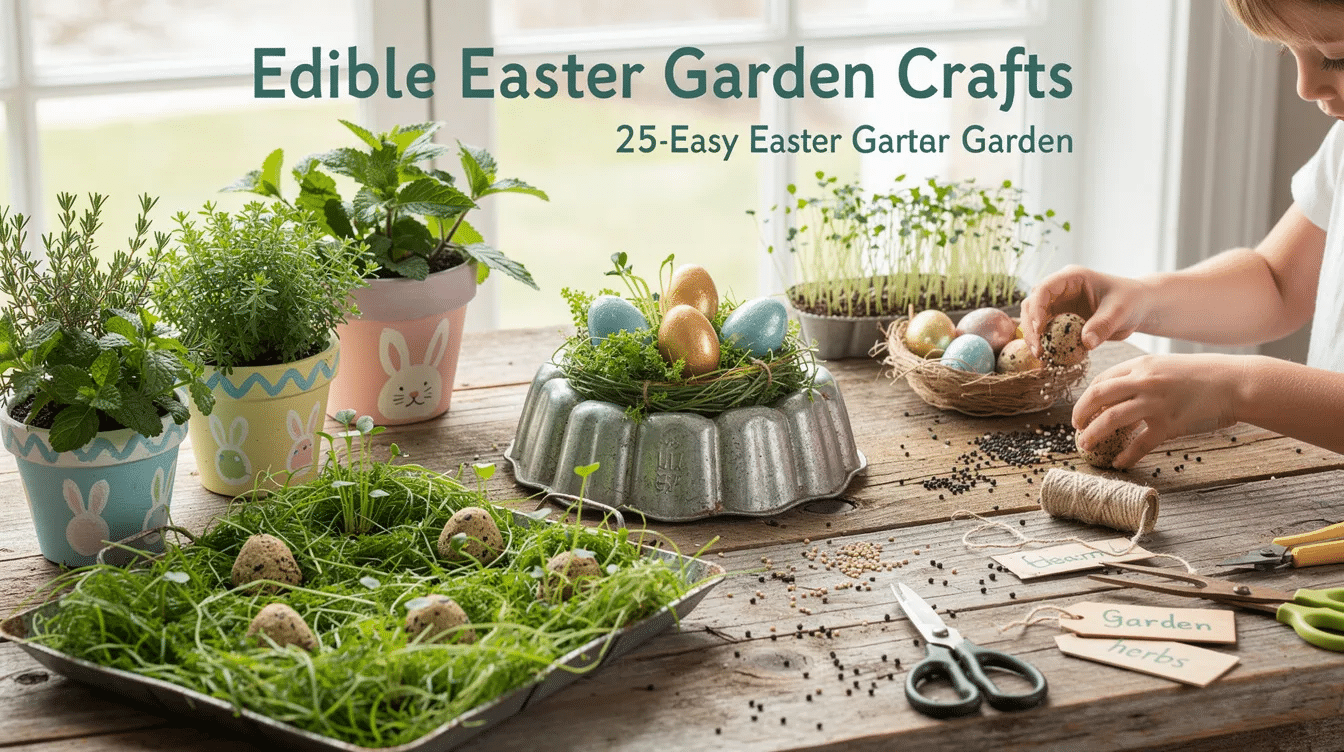
Create miniature Easter scenes using herbs, early spring seedlings, and edible decorations. Hide seed bombs instead of plastic eggs, grow Easter grass for easter baskets, and plant small herb gardens in decorated pots. Vintage Jell-o molds make cute nests for Easter centerpieces filled with chocolate eggs and sprouts. For more craft ideas, browse our 25 best easy craft ideas for kids.
Best For
Families interested in gardening and parents wanting to encourage healthy food exploration.
Key Strengths
- Teaches plant growth and healthy eating
- Creates living decorations that change over time
- Connects children with food sources
Possible Limitations
- Requires ongoing care and maintenance
- Success depends on timing and growing conditions
Quick Comparison of Top Easter Craft Trends
Trend | Best For | Age Range |
|---|---|---|
Natural Eco-Dyeing | Environmental education, kitchen science | 2+ |
Upcycled Cardboard Villages | Extended imaginative play, sustainability | 3+ |
Minimalist Paper Origami | Modern homes, fine motor development | 4+ |
Sensory Playdough Activities | Therapeutic benefits, open-ended play | 2+ |
Farmhouse Rustic Displays | Sophisticated decor, natural materials | 3+ |
Interactive Pop-Up Cards | Engineering learning, gift-giving | 4+ |
Edible Easter Gardens | Gardening education, healthy eating | 3+ |
How to Choose the Right Easter Craft Trend
Choose Based on Your Child’s Age and Abilities
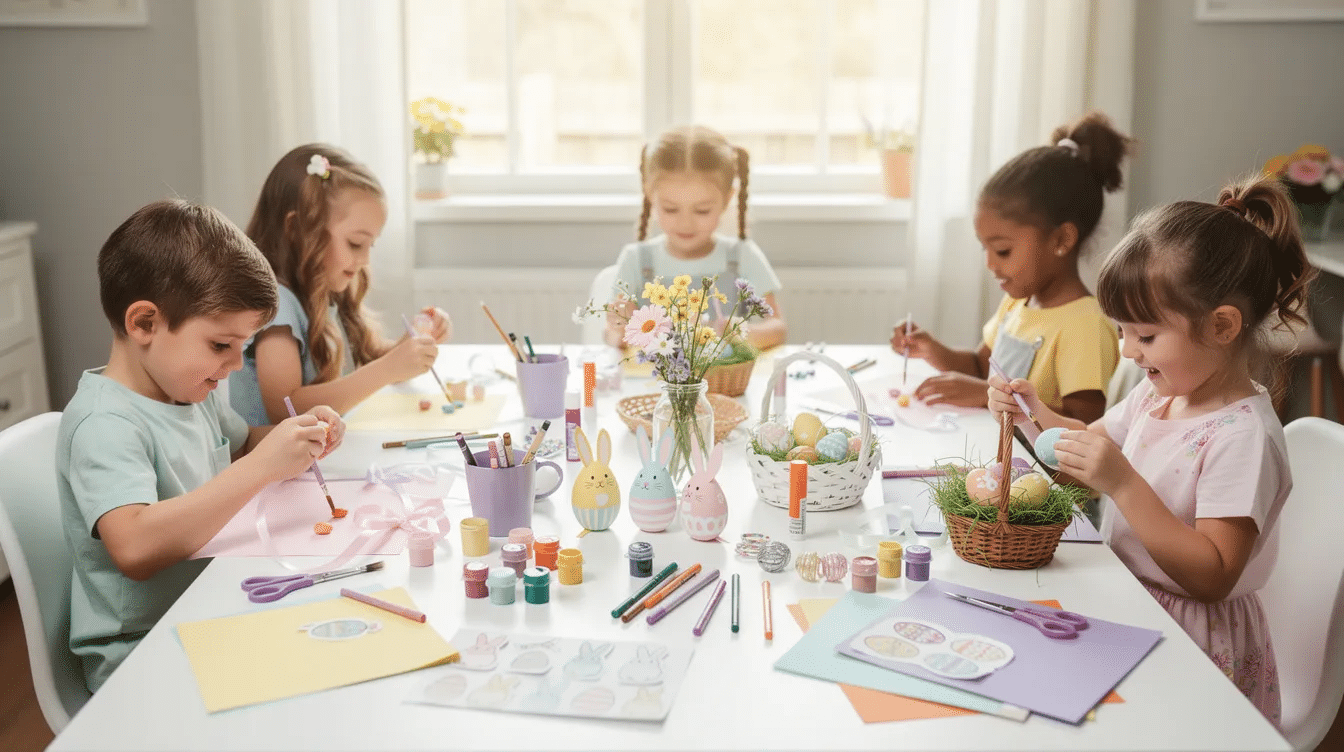
Toddlers thrive with sensory bins and fingerprint painting. Preschoolers ready for focused work love origami and pop-up cards. Match the craft to your child’s developmental stage for the best experience.
Choose Based on Your Home Style and Storage
If you’re a fan of minimalist decor, origami and clay bowls fit seamlessly. Farmhouse lovers will gravitate toward burlap and twine. Consider where you’ll display the finished craft – and whether it needs a frame, a shelf, or a windowsill.
Choose Based on Time and Mess Tolerance
Natural dyeing and cardboard villages need more prep. Sensory playdough and fingerprint crafts are quicker to set up. Be honest about your available time – the perfect project is one you actually finish.
Which Easter Craft Trend Is Best for You?
- Choose Natural Eco-Dyeing if you love kitchen experiments and want to celebrate holidays sustainably
- Choose Upcycled Cardboard Villages if you have time for extended projects and want lasting play value
- Choose Minimalist Origami if you prefer clean aesthetics and focused skill-building
- Choose Sensory Activities if your kids benefit from tactile experiences and open-ended play
- Choose Farmhouse Rustic if you want crafts that double as sophisticated home decor for your mantel
- Choose Pop-Up Cards if you want to join engineering learning with gift-making
- Choose Edible Gardens if you want to connect Easter with healthy eating and plant education
Final Thoughts
The best easter craft trend is the one that matches your family’s values and your child’s curiosity. We hope you’re glad to have this collection of ideas – and we’d love to see what you create. Try mixing two or three trends throughout the season for variety. Tag us when you share your adorable easter creations. The real goal behind every project isn’t perfection – it’s the memory of sitting together, hands covered in paint or dough, making something with the people you love.